
The Complete Guide to Gum Disease and Periodontal Health
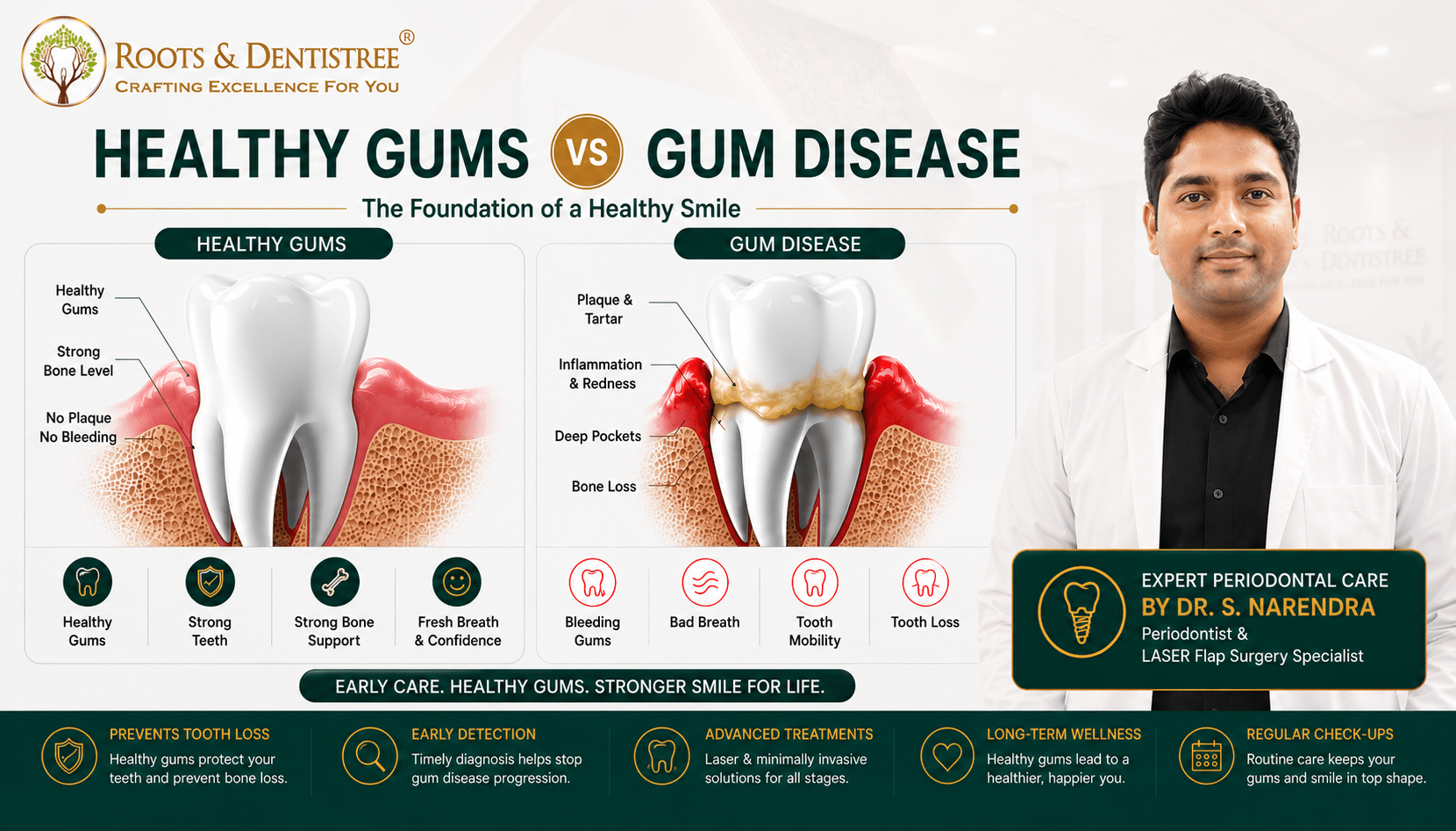
Healthy gums form the foundation of a healthy smile. However, gum disease is one of the most common oral health problems affecting millions of people worldwide. Unfortunately, many individuals remain unaware of the condition until it has progressed significantly. Consequently, delayed diagnosis often results in tooth mobility, bone loss, and even tooth loss.
At ROOTS & DENTISTREE, advanced periodontal care is provided by Dr. S. Narendra, Periodontist and LASER Flap Surgery Specialist, ensuring comprehensive management of both early and advanced gum disease. Therefore, understanding periodontal health is essential for preserving your natural teeth and maintaining long-term oral wellness.
What is Gum Disease?
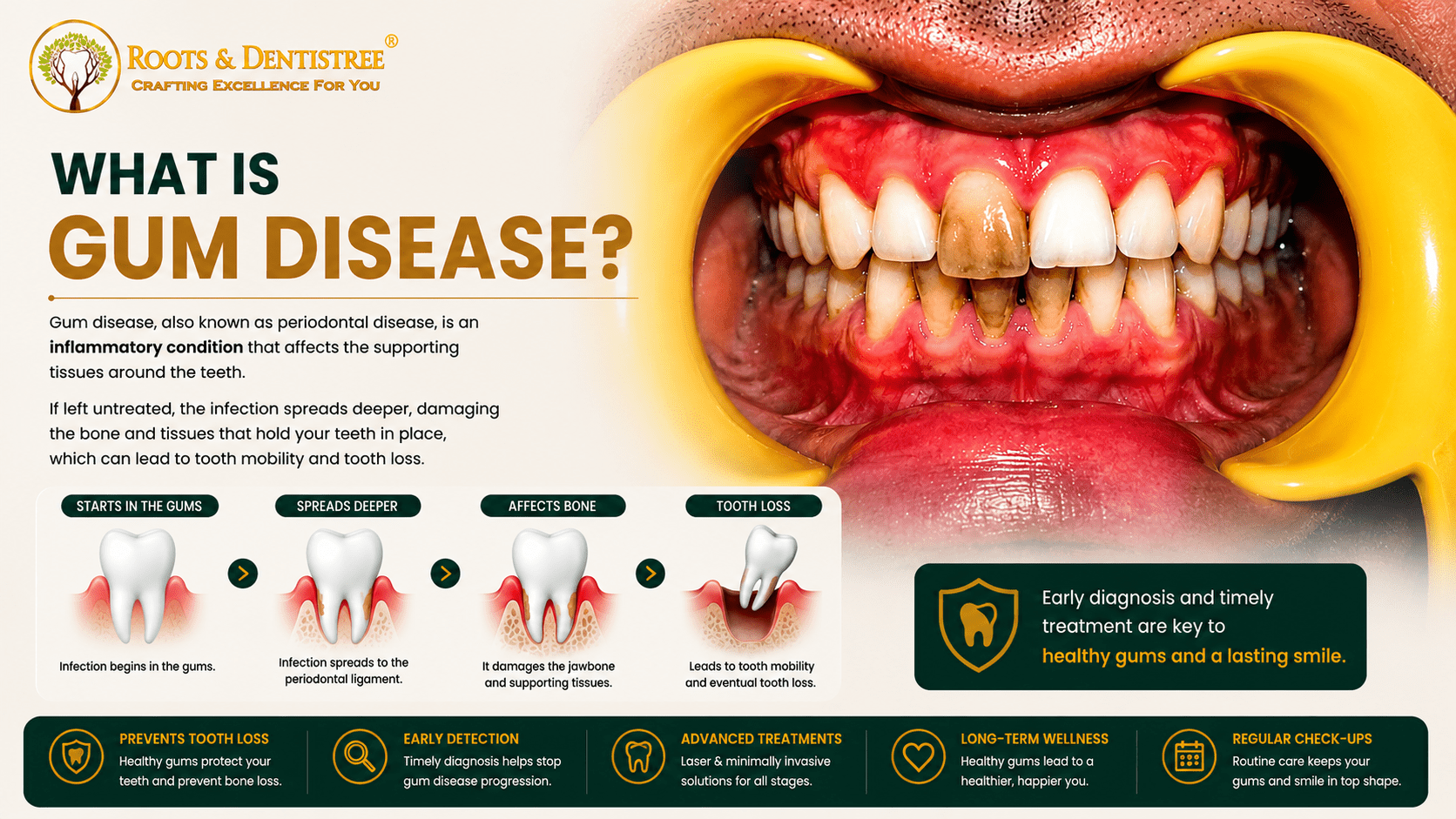
Gum disease, also known as periodontal disease, is an inflammatory condition that affects the supporting tissues around the teeth. Initially, the infection begins in the gums. However, if left untreated, it gradually extends deeper, affecting the periodontal ligament and jawbone.
As a result, untreated periodontal disease can ultimately lead to tooth mobility and tooth loss. Therefore, early diagnosis and timely intervention play a crucial role in preserving oral health.
Stages of Gum Disease
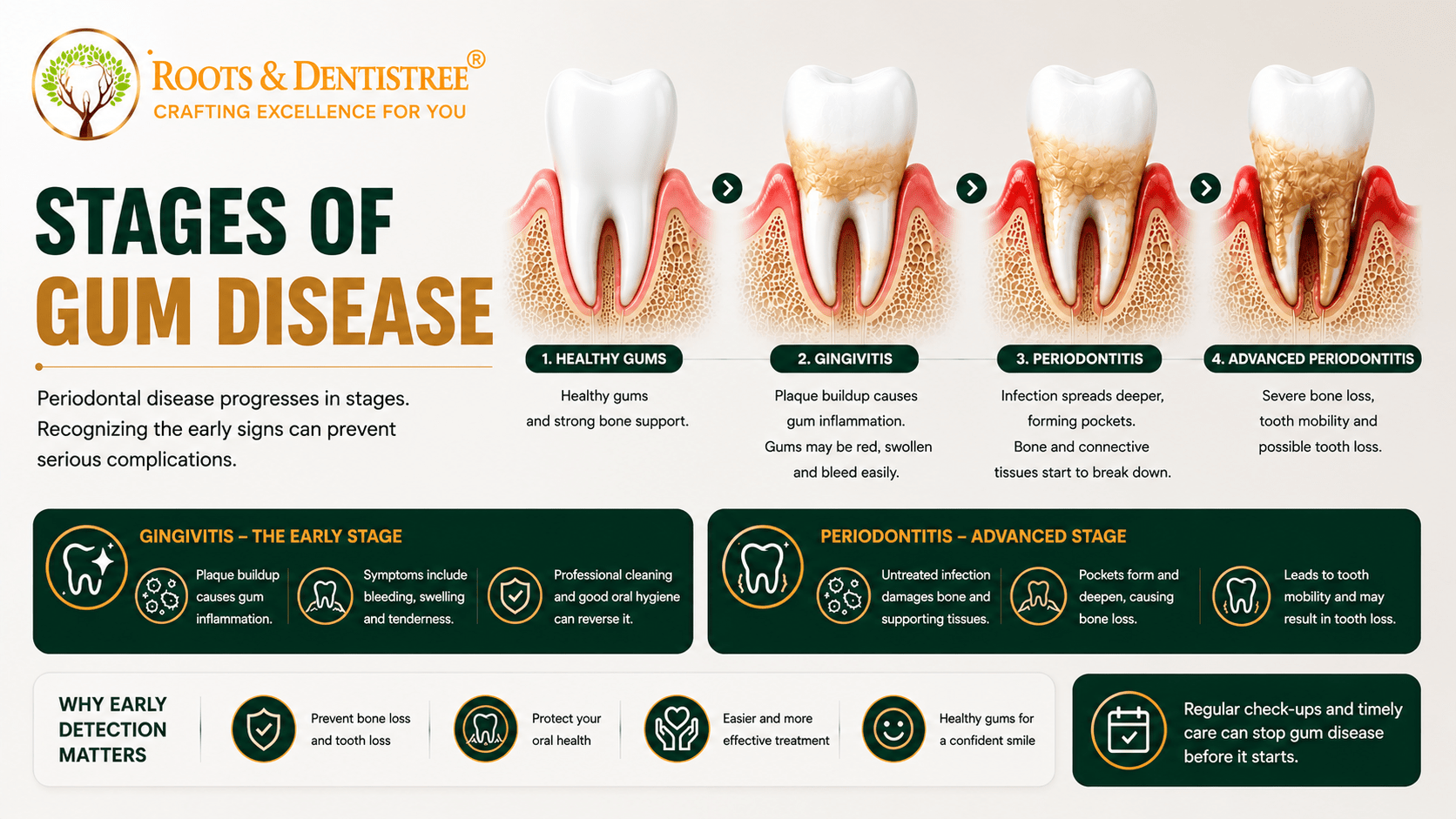
Periodontal disease progresses in stages. Consequently, recognizing the early signs can prevent serious complications.
Gingivitis – The Early Stage
Gingivitis is the mildest and most reversible form of gum disease. During this stage, plaque accumulation along the gum line causes inflammation.
Patients often notice bleeding while brushing, swollen gums, or mild tenderness. Fortunately, professional cleaning and improved oral hygiene can usually reverse gingivitis completely.
Periodontitis – Advanced Gum Disease
When gingivitis remains untreated, the infection may progress to periodontitis. At this stage, bacterial toxins begin damaging the supporting bone and connective tissues.
As a result, periodontal pockets develop around the teeth. Over time, these pockets deepen, leading to progressive bone loss and tooth mobility.
Consequently, advanced treatment becomes necessary to control the disease and preserve remaining structures.
What Causes Gum Disease?
Plaque accumulation is the primary cause of gum disease. Nevertheless, several additional factors can increase susceptibility.
Poor oral hygiene allows bacteria to multiply and colonize below the gum line. In addition, smoking significantly increases the risk and severity of periodontal disease.
Hormonal changes, uncontrolled diabetes, genetic predisposition, stress, and certain medications may also contribute to periodontal problems. Therefore, comprehensive evaluation remains essential for effective treatment planning.
Common Signs and Symptoms of Gum Disease
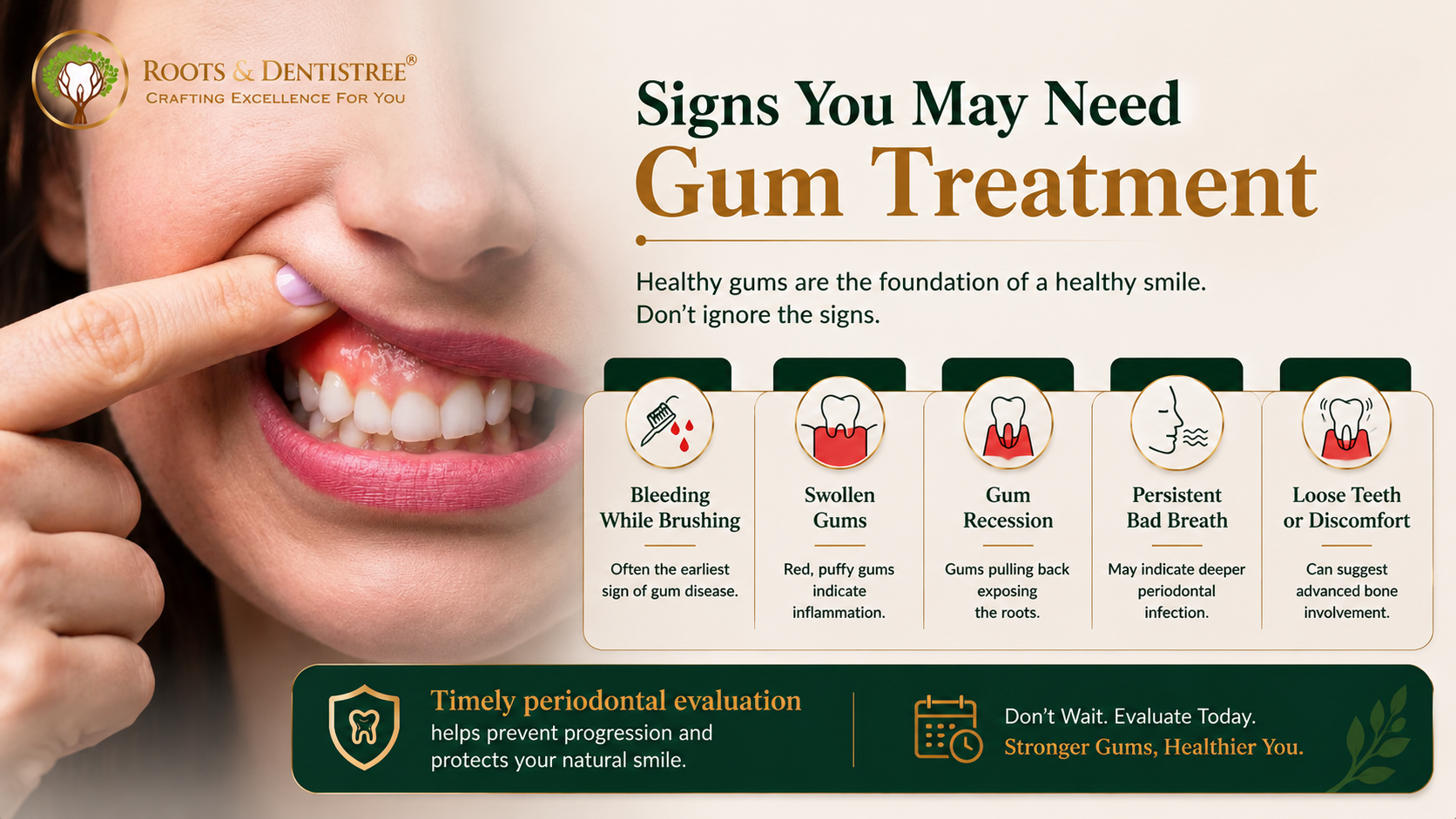
Many patients assume that occasional bleeding during brushing is normal. However, healthy gums should not bleed.
Persistent bleeding, swollen gums, bad breath, and gum recession frequently indicate underlying periodontal disease. Furthermore, loose teeth, pus discharge, and discomfort while chewing may suggest advanced involvement.
Consequently, professional evaluation should be sought whenever these symptoms are present.
Why Periodontal Health Matters
Healthy gums do much more than support your teeth. Research increasingly suggests a connection between periodontal disease and overall systemic health.
Chronic gum inflammation has been associated with conditions such as diabetes, cardiovascular disease, and adverse pregnancy outcomes. Although the exact relationships continue to be studied, maintaining periodontal health clearly contributes to overall well-being.
Therefore, gum care should be considered an integral part of comprehensive healthcare.
How is Gum Disease Diagnosed?
The diagnosis of periodontal disease involves a detailed clinical examination along with radiographic assessment.
During evaluation, your periodontist measures periodontal pocket depths and assesses gum recession, tooth mobility, and bone levels. Subsequently, digital X-rays or advanced imaging may be recommended to determine the extent of bone loss.
As a result, a customized treatment plan can be developed according to the severity of the condition.
Treatment Options for Gum Disease
Modern periodontal therapy aims to eliminate infection, reduce inflammation, and preserve supporting structures.
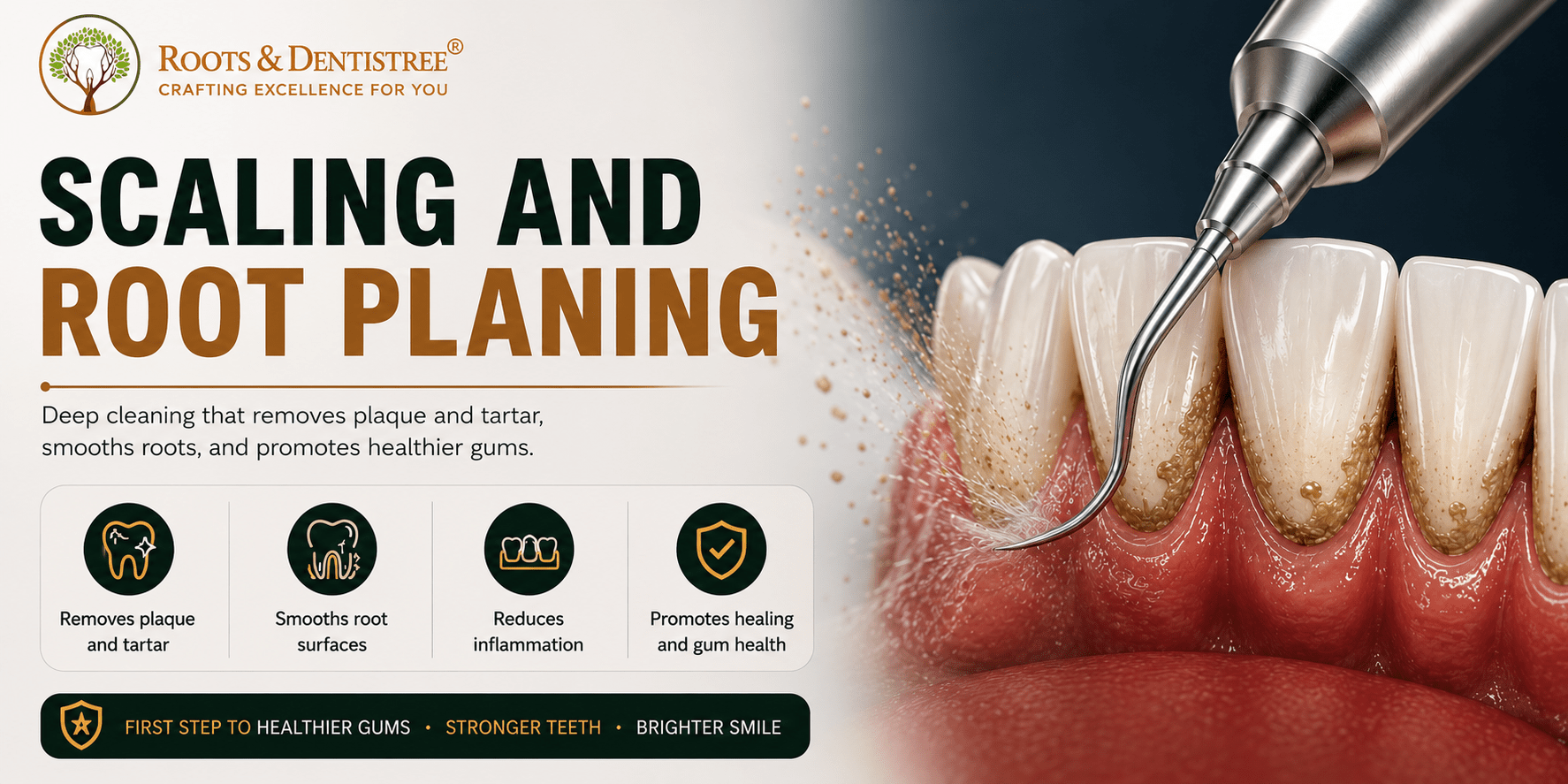
Scaling and Root Planing
Professional scaling and root planing, commonly known as deep cleaning, represent the first line of treatment for many patients.
During this procedure, plaque and tartar deposits are removed from above and below the gum line. Subsequently, the root surfaces are smoothed to discourage bacterial recolonization.
Consequently, inflammation decreases and gum tissues begin to heal.
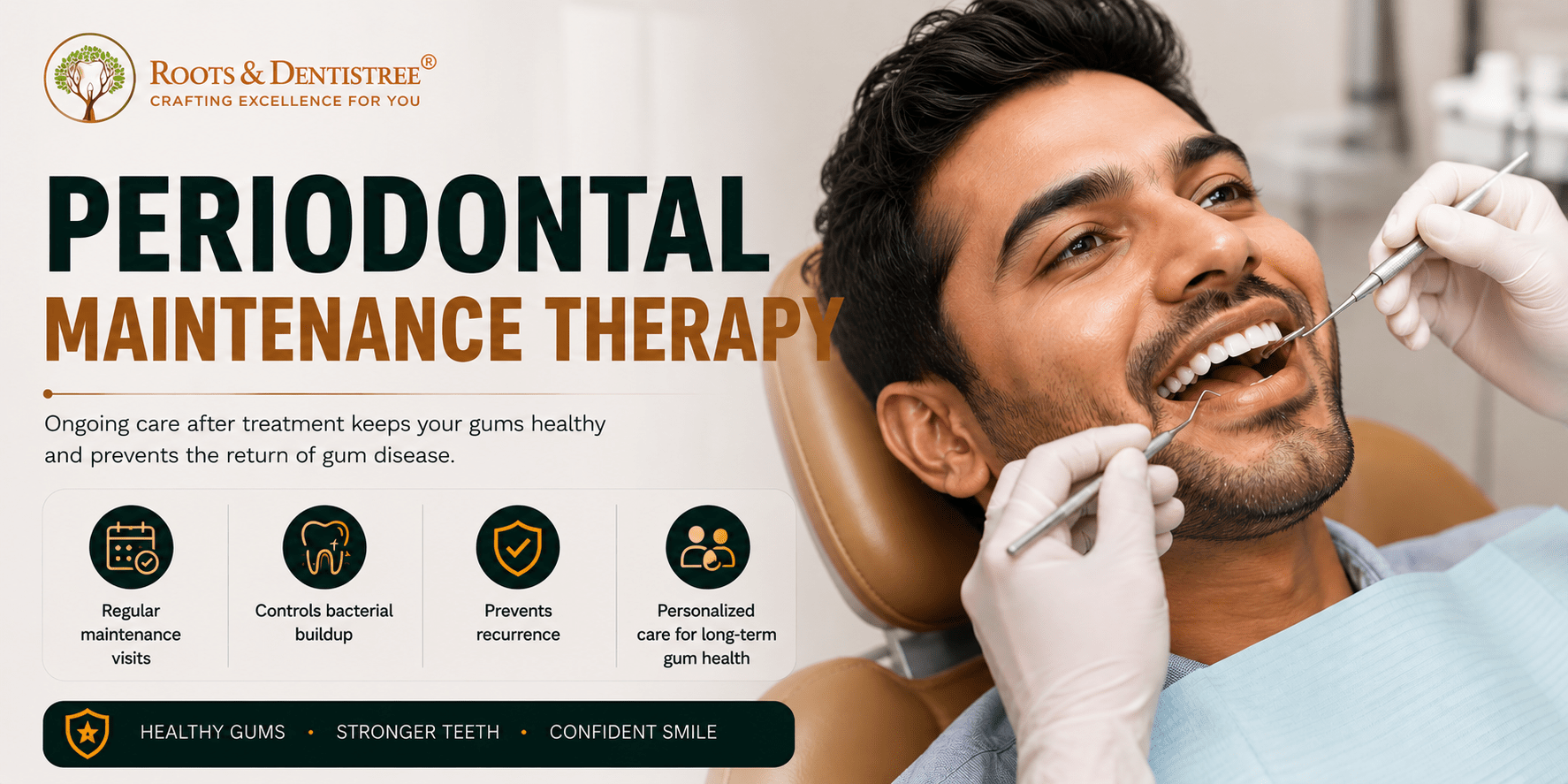
Periodontal Maintenance Therapy
Following active treatment, ongoing maintenance visits are essential.
Regular periodontal maintenance helps control bacterial buildup while preventing recurrence of disease. Therefore, patients with a history of periodontal disease often require more frequent professional cleanings.
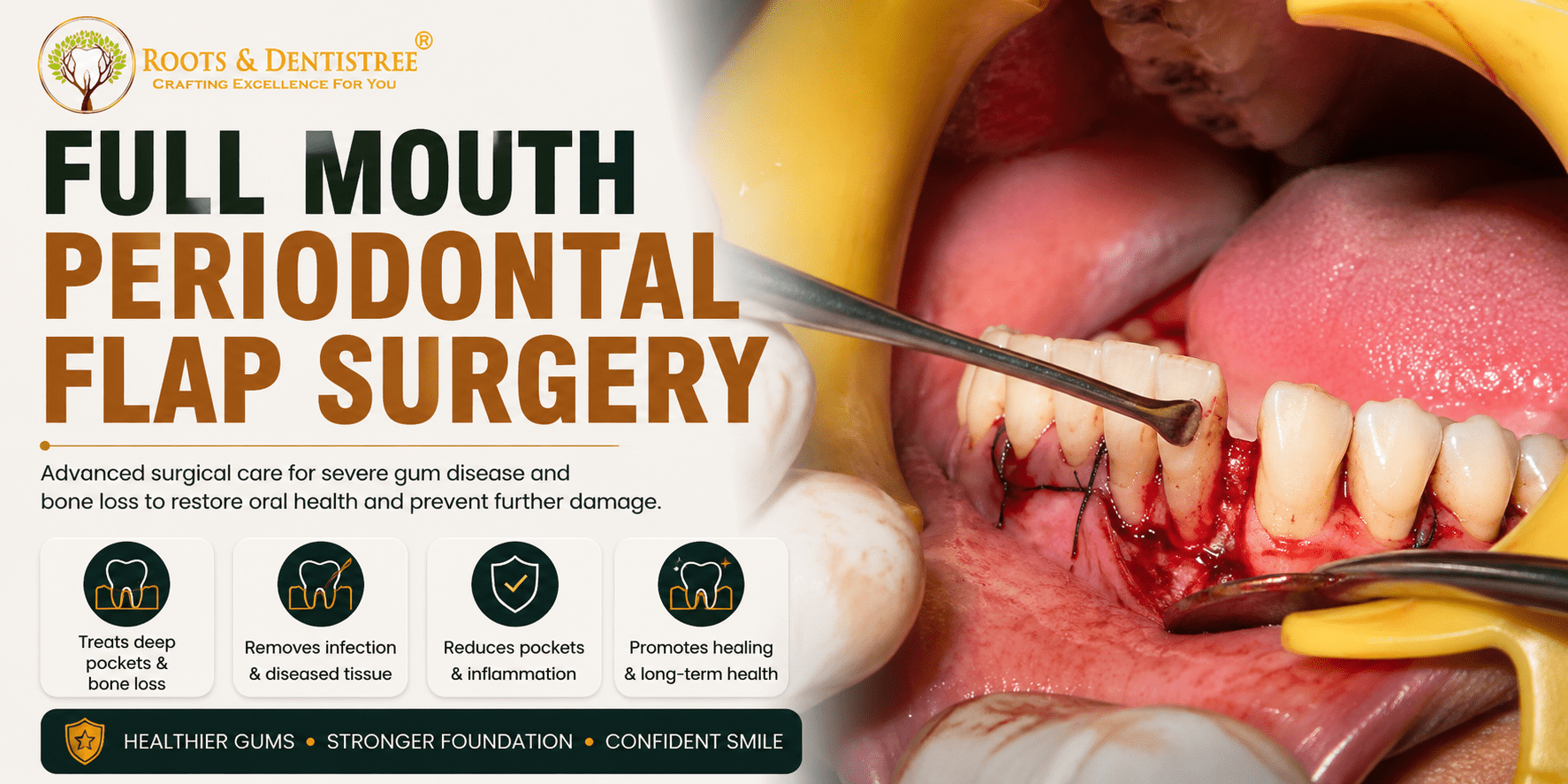
Full Mouth Periodontal Flap Surgery
In advanced cases involving deep periodontal pockets and significant bone loss, flap surgery may be recommended.
During this procedure, the gums are gently reflected to allow thorough cleaning of infected areas and removal of diseased tissue. Subsequently, the gum tissues are repositioned to facilitate healing.
As a result, periodontal pockets are reduced and disease progression is controlled.
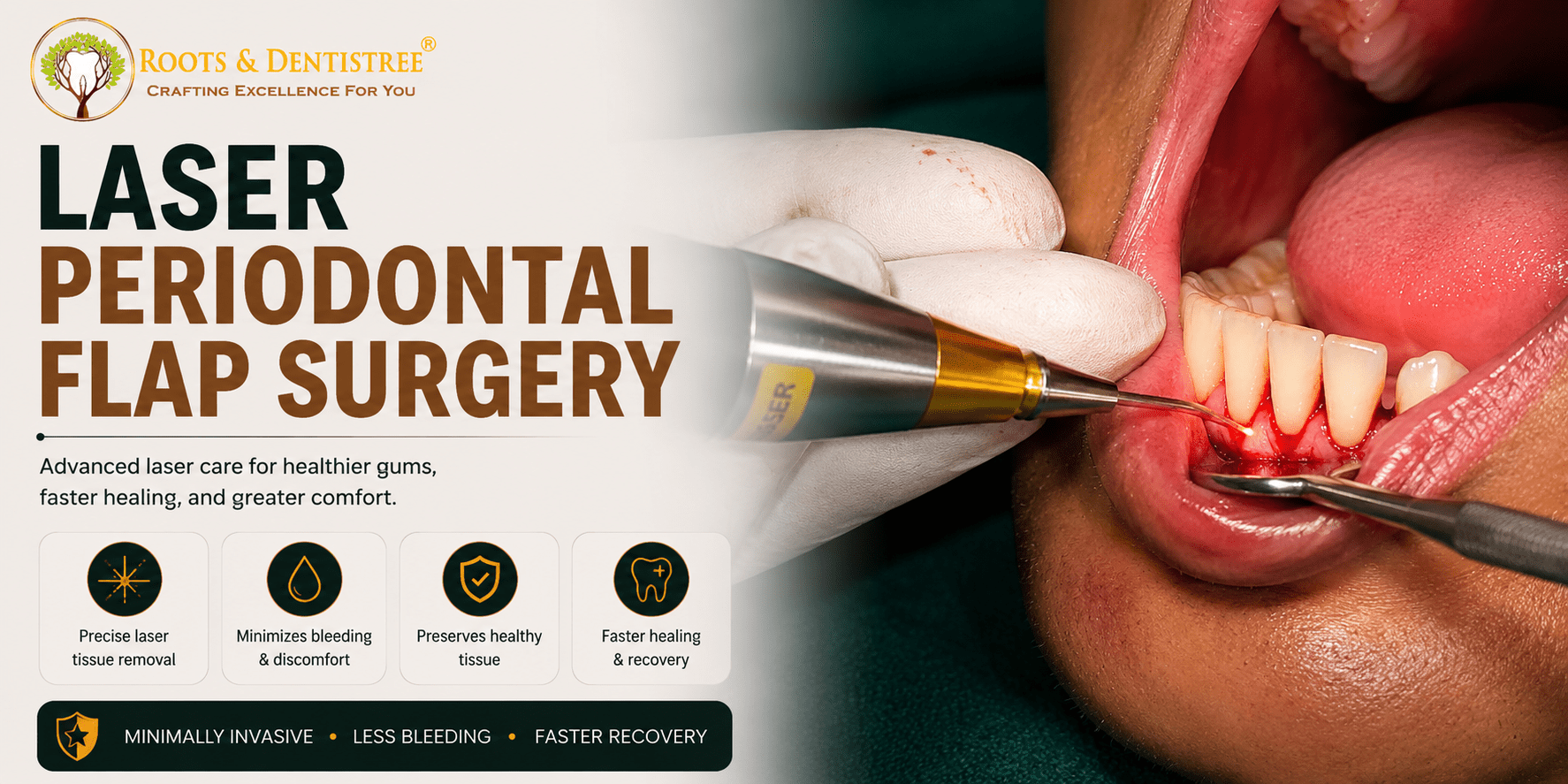
LASER Periodontal Flap Surgery
Modern laser-assisted periodontal therapy offers a minimally invasive alternative for managing advanced gum disease.
Laser technology allows precise removal of infected tissues while preserving healthy structures. Moreover, laser procedures often result in reduced bleeding, minimal discomfort, and faster healing.
Consequently, many patients prefer LASER flap surgery due to its enhanced comfort and recovery experience.
Scaling and Periodontal Treatment Cost in Hyderabad
One of the most common questions patients ask concerns the cost of gum treatment in Hyderabad.
Treatment expenses vary depending on disease severity, the extent of treatment required, and the technologies utilized.
Approximate Cost of Scaling in Hyderabad
Routine Dental Scaling and Polishing:
₹1,500 – ₹4,000
Deep Cleaning (Scaling and Root Planing):
₹5,000 – ₹15,000 for full mouth treatment
Approximate Cost of Periodontal Therapy in Hyderabad
Non-Surgical Periodontal Therapy:
₹5,000 – ₹20,000 depending on severity
Full Mouth Periodontal Flap Surgery:
₹25,000 – ₹60,000 or more
LASER Full Mouth Flap Surgery:
₹40,000 – ₹1,20,000 depending on complexity and technology used
Disclaimer: These figures represent approximate costs commonly observed across Hyderabad. However, individual treatment requirements vary significantly. Therefore, a personalized consultation remains essential for obtaining an accurate estimate.
Factors Affecting Periodontal Treatment Cost
Several variables influence the overall cost of gum treatment.
Disease severity remains one of the most important factors because advanced cases often require more extensive procedures. In addition, the number of teeth involved may influence treatment duration and complexity.
Furthermore, advanced technologies such as laser-assisted therapy and regenerative procedures can affect pricing. Consequently, treatment costs differ from patient to patient.
Can Gum Disease Be Prevented?
The good news is that most forms of gum disease are preventable.
Maintaining excellent oral hygiene through regular brushing and flossing remains essential. In addition, professional dental examinations and cleanings help identify early changes before significant damage occurs.
Avoiding tobacco use and managing systemic conditions such as diabetes further contribute to periodontal health. Therefore, preventive care remains the most effective strategy.
Why Choose ROOTS & DENTISTREE for Periodontal Care?
At ROOTS & DENTISTREE, periodontal treatment is delivered using advanced diagnostic methods and evidence-based protocols.
Under the expertise of Dr. S. Narendra, Periodontist and LASER Flap Surgery Specialist, every treatment plan is customized according to individual needs. Consequently, patients benefit from precise, minimally invasive, and comprehensive periodontal care.
The Final Verdict
Gum disease is a progressive condition that should never be ignored. Although early stages are often painless, untreated disease can eventually compromise both oral and systemic health.
Fortunately, modern periodontal therapy offers highly effective solutions for preserving natural teeth and restoring gum health. Therefore, timely diagnosis and appropriate treatment remain the keys to long-term success.
Frequently Asked Questions
Occasional irritation may resolve temporarily. However, persistent bleeding usually indicates underlying gum disease and requires professional evaluation.
Most patients experience minimal discomfort during routine scaling. Local anesthesia may be used during deep cleaning procedures when necessary.
Most individuals benefit from professional cleaning every six months. Nevertheless, patients with periodontal disease may require more frequent visits.
Laser therapy often offers improved comfort and faster healing. However, suitability depends on the severity and characteristics of the case.
Although advanced periodontal disease cannot always be completely reversed, it can be effectively controlled and stabilized through appropriate treatment and maintenance.