
Dentures: Types, Benefits, Cost, and Care – A Complete Guide
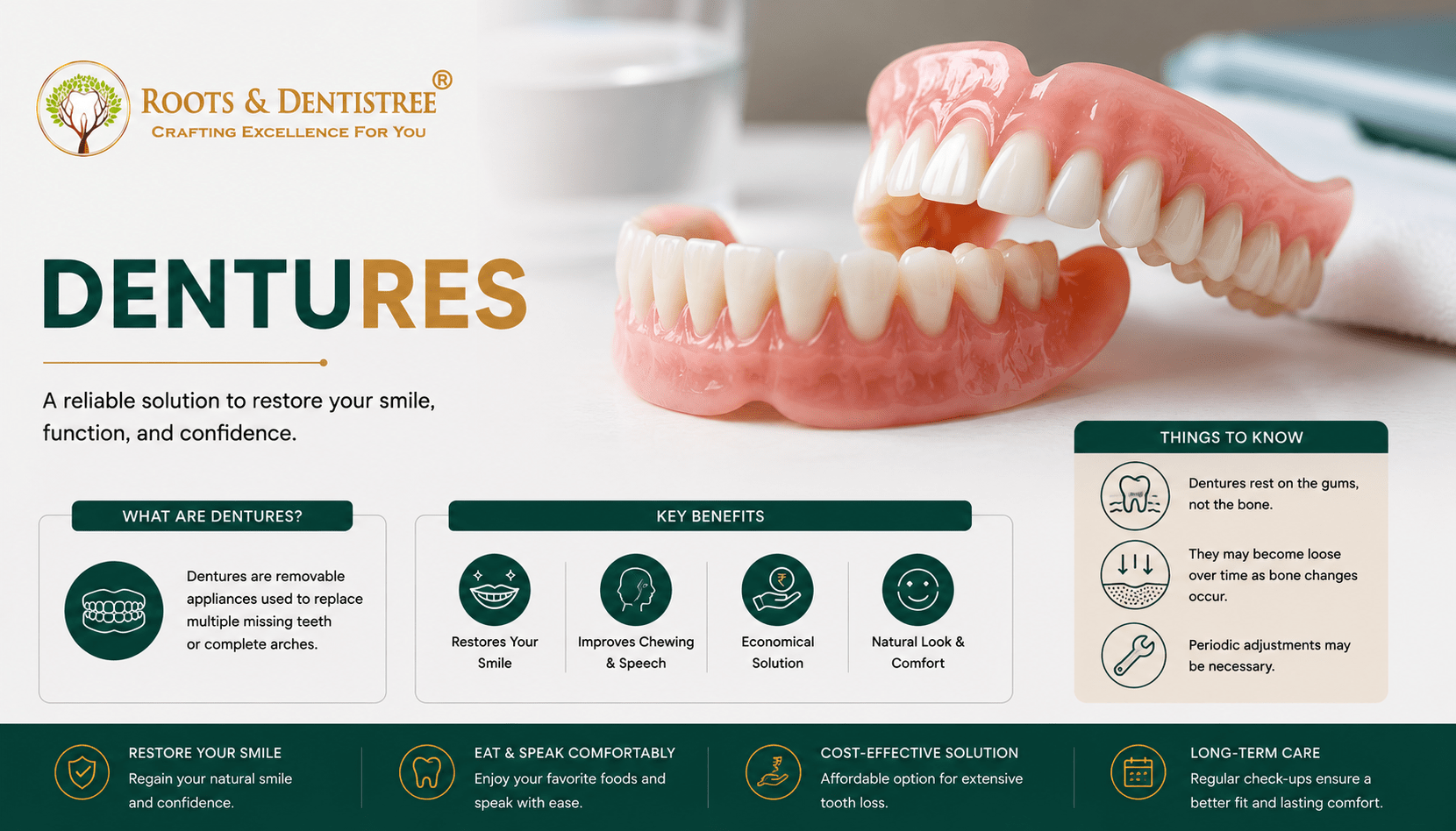
Losing multiple teeth can affect much more than your smile. In addition to changing your appearance, missing teeth can make chewing difficult, alter speech, and gradually reduce self-confidence. Fortunately, modern dentures provide an effective and affordable solution for restoring both function and aesthetics. Whether you are missing a few teeth or an entire arch, today’s dentures are more comfortable, natural-looking, and durable than ever before.
At ROOTS & DENTISTREE, denture treatment is provided by Dr. Srinivas Reddy, Prosthodontist, in collaboration with Dr. Guru Charan and Dr. Chitra Chakravarthy, Oral & Maxillofacial Surgeons and Implantologists. Consequently, every patient benefits from comprehensive care, ranging from treatment planning to final prosthetic rehabilitation.
What Are Dentures?
Dentures are custom-made prosthetic appliances designed to replace missing teeth and the surrounding oral tissues. Unlike natural teeth, dentures are fabricated using high-quality acrylic, metal frameworks, or advanced flexible materials to restore chewing ability, speech, and facial appearance.
Depending on the number of missing teeth and the patient’s oral condition, dentures may be removable or implant-supported. Therefore, every treatment plan is tailored according to individual needs.
Why Replacing Missing Teeth Is Important
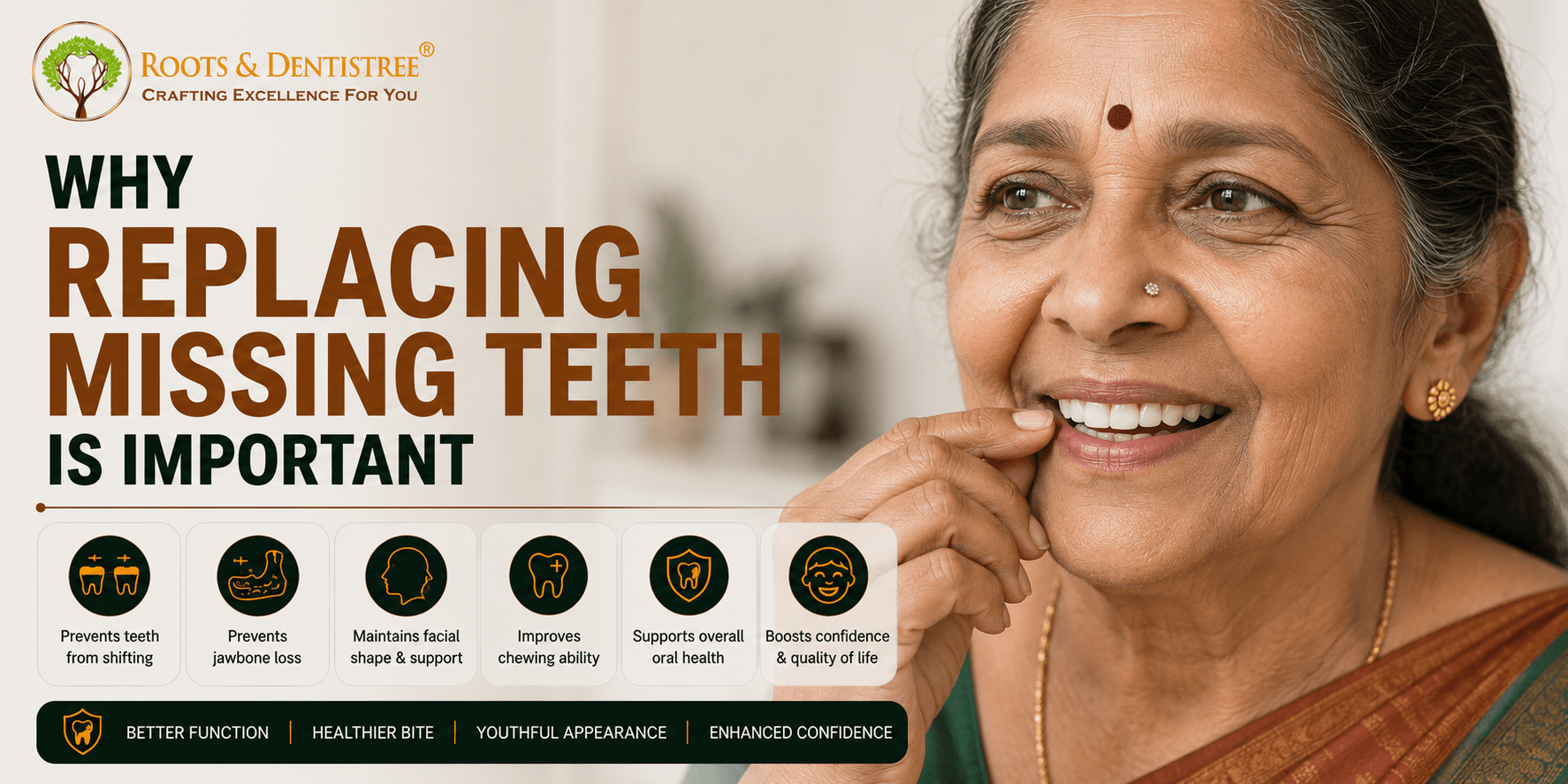
Many patients believe that living with missing teeth is simply a part of aging. However, untreated tooth loss can lead to several long-term complications.
Without replacement, neighboring teeth gradually drift into the empty spaces, thereby affecting the bite. In addition, the jawbone begins to shrink because it no longer receives stimulation from natural tooth roots. Consequently, facial muscles lose support, often resulting in a sunken appearance and premature aging.
Furthermore, chewing efficiency decreases, making it difficult to enjoy a balanced diet. Therefore, replacing missing teeth is essential not only for aesthetics but also for maintaining overall oral health.
Types of Dentures
Modern dentistry offers several denture options, each designed to address specific clinical situations. Consequently, selecting the right type depends on oral health, functional requirements, and patient expectations.
Complete Dentures
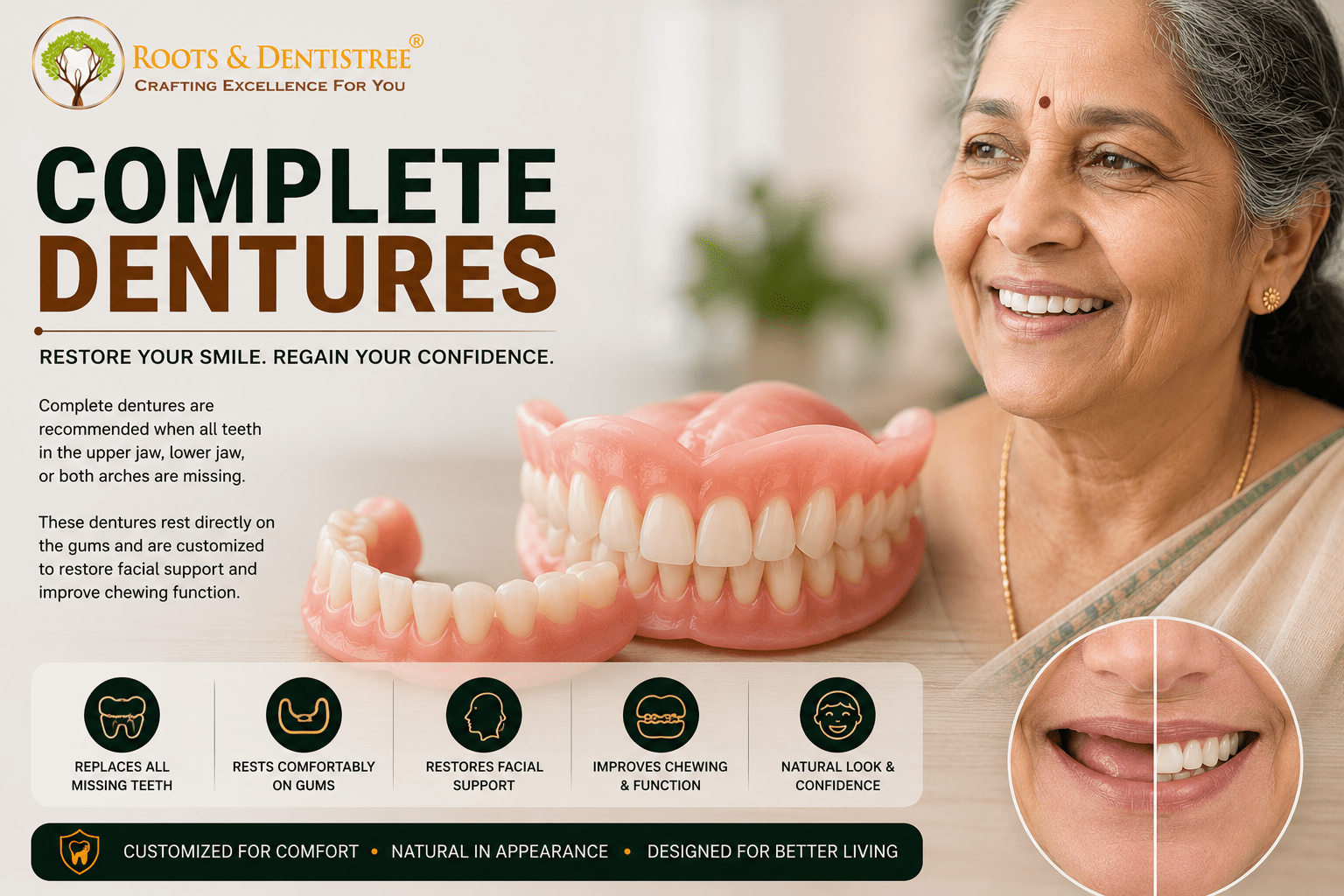
Complete dentures are recommended when all teeth in the upper jaw, lower jaw, or both arches are missing.
These dentures rest directly on the gums and are carefully customized to restore facial support and improve chewing function. Moreover, modern fabrication techniques create dentures that appear remarkably natural.
Partial Dentures
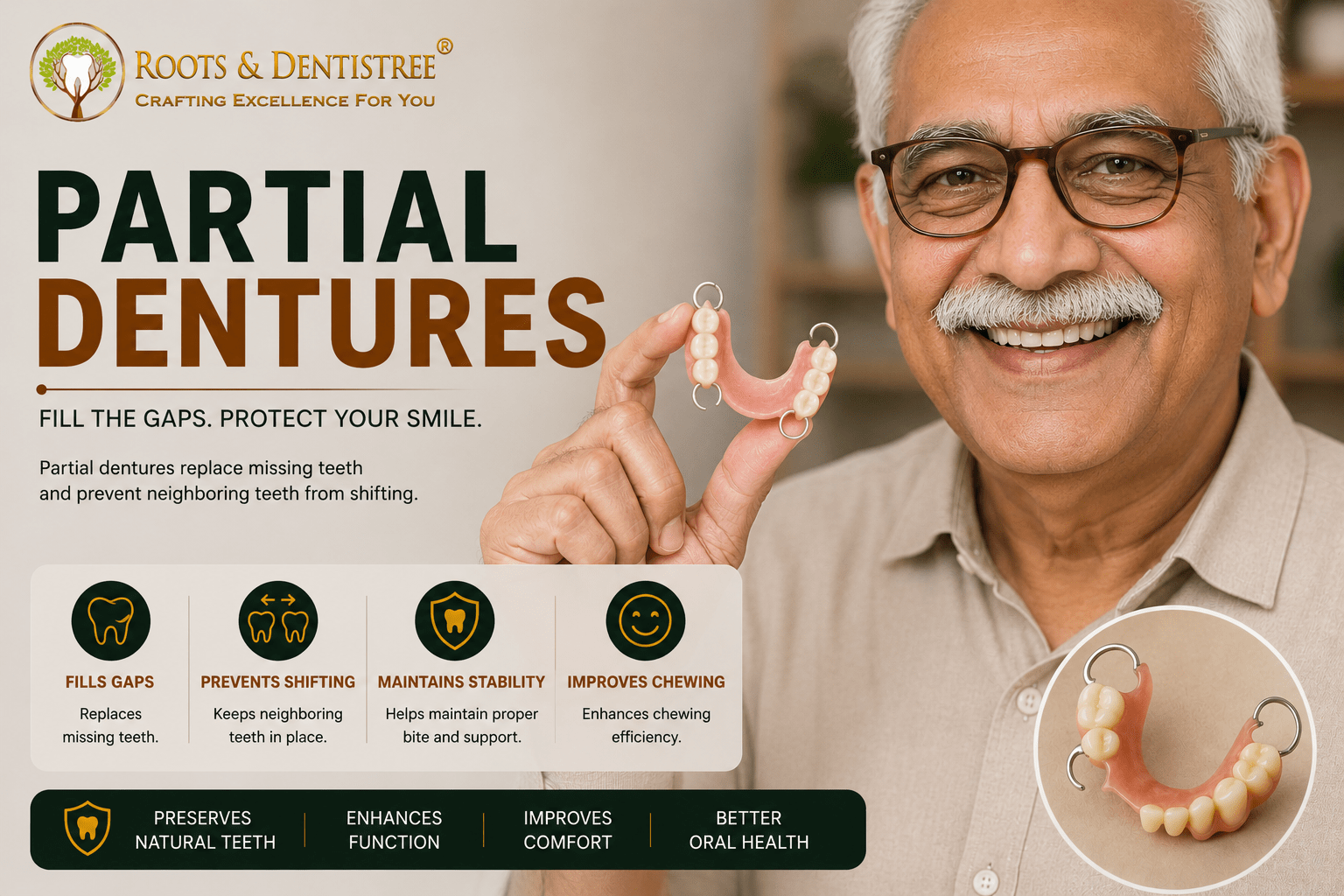
Partial dentures are used when several healthy natural teeth remain.
They fill the gaps created by missing teeth while preventing neighboring teeth from shifting. As a result, bite stability is maintained and chewing efficiency improves.
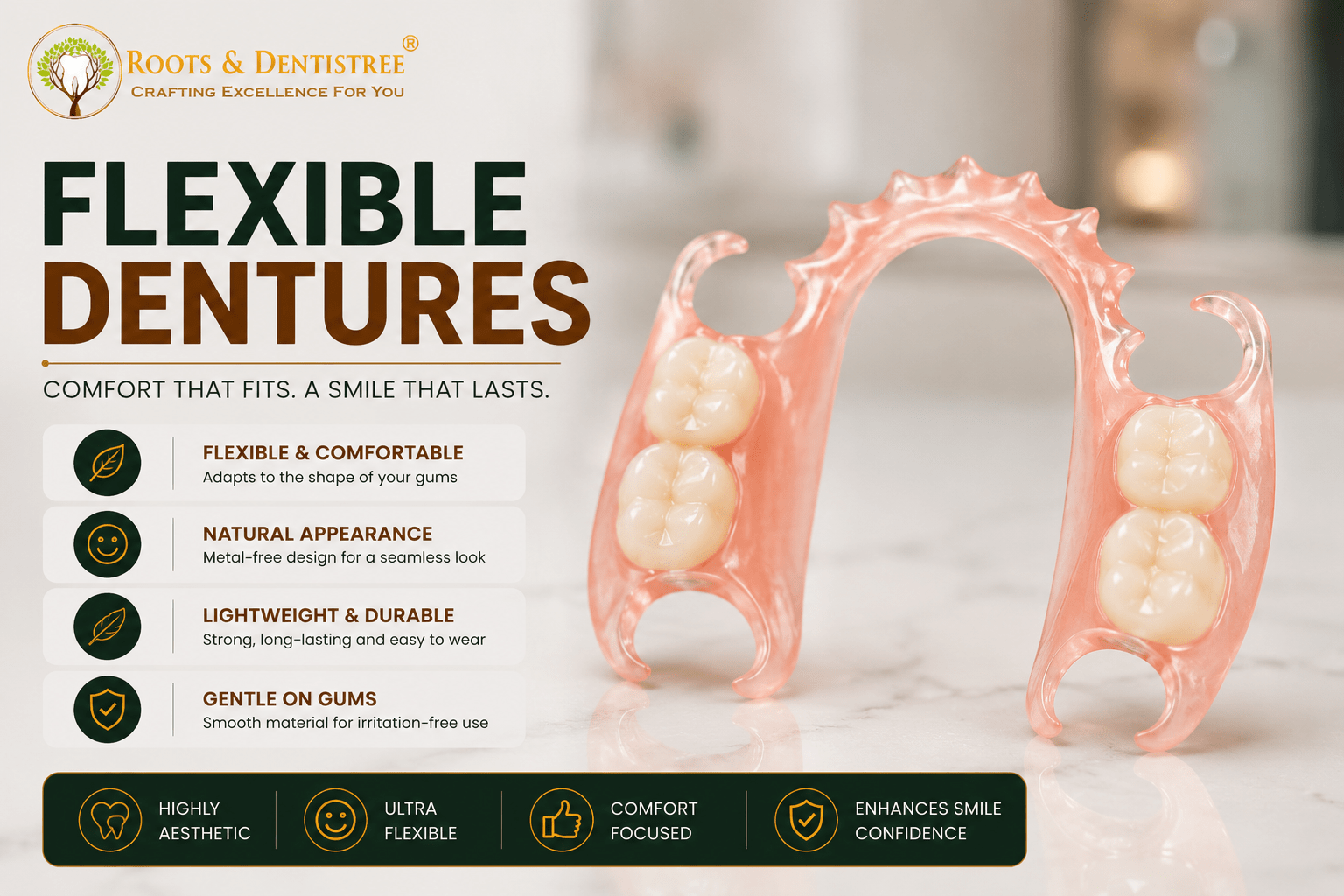
Flexible Dentures
Flexible dentures are fabricated from advanced thermoplastic materials rather than conventional acrylic.
Because these dentures adapt comfortably to the contours of the mouth, they provide improved flexibility and aesthetics. In addition, the absence of visible metal clasps makes them particularly appealing for patients seeking a natural appearance.
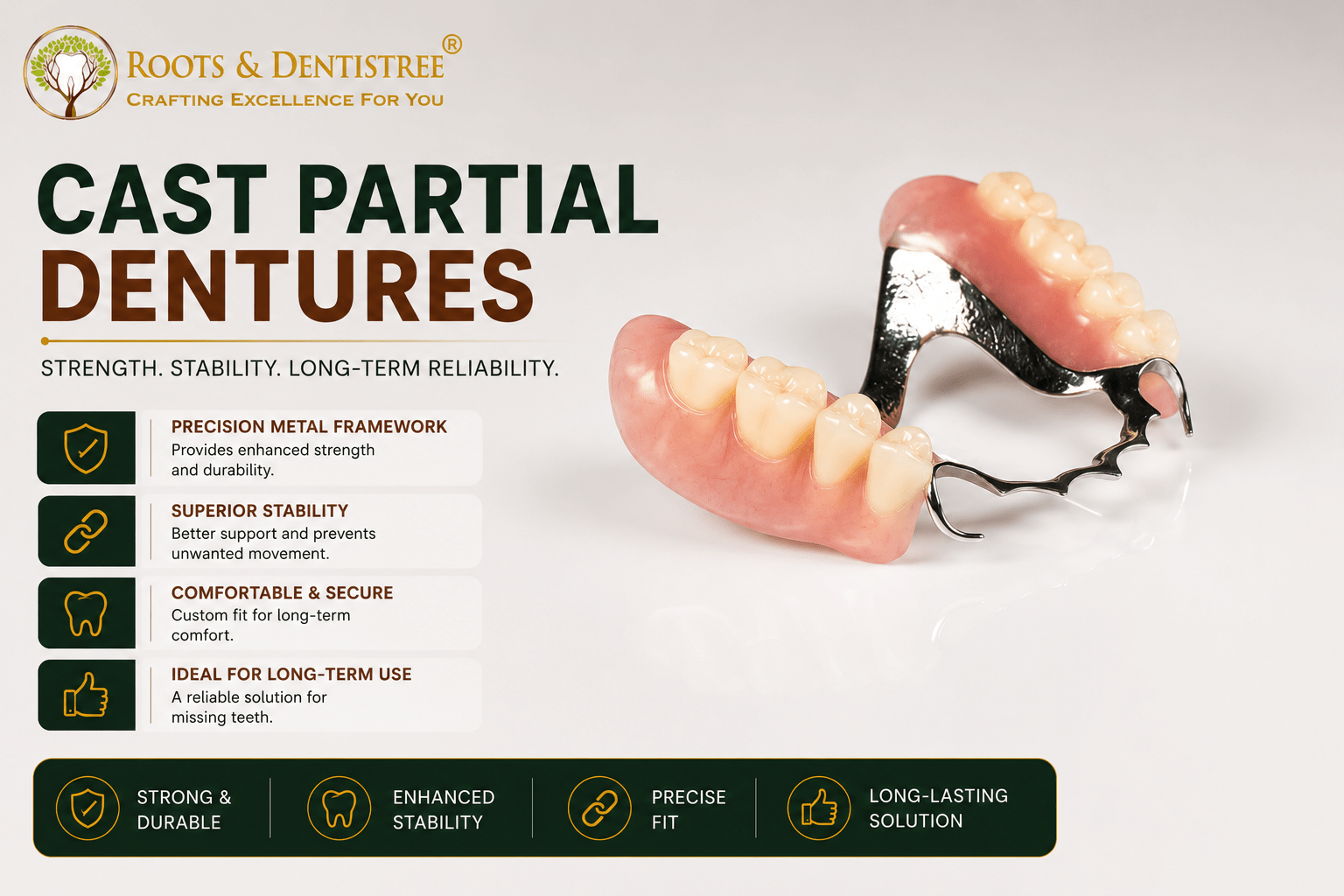
Cast Partial Dentures
Cast partial dentures incorporate a precision metal framework to provide enhanced strength and durability.
Although they require careful fabrication, they often offer superior stability compared to conventional acrylic partial dentures. Consequently, they remain a popular choice for long-term tooth replacement.
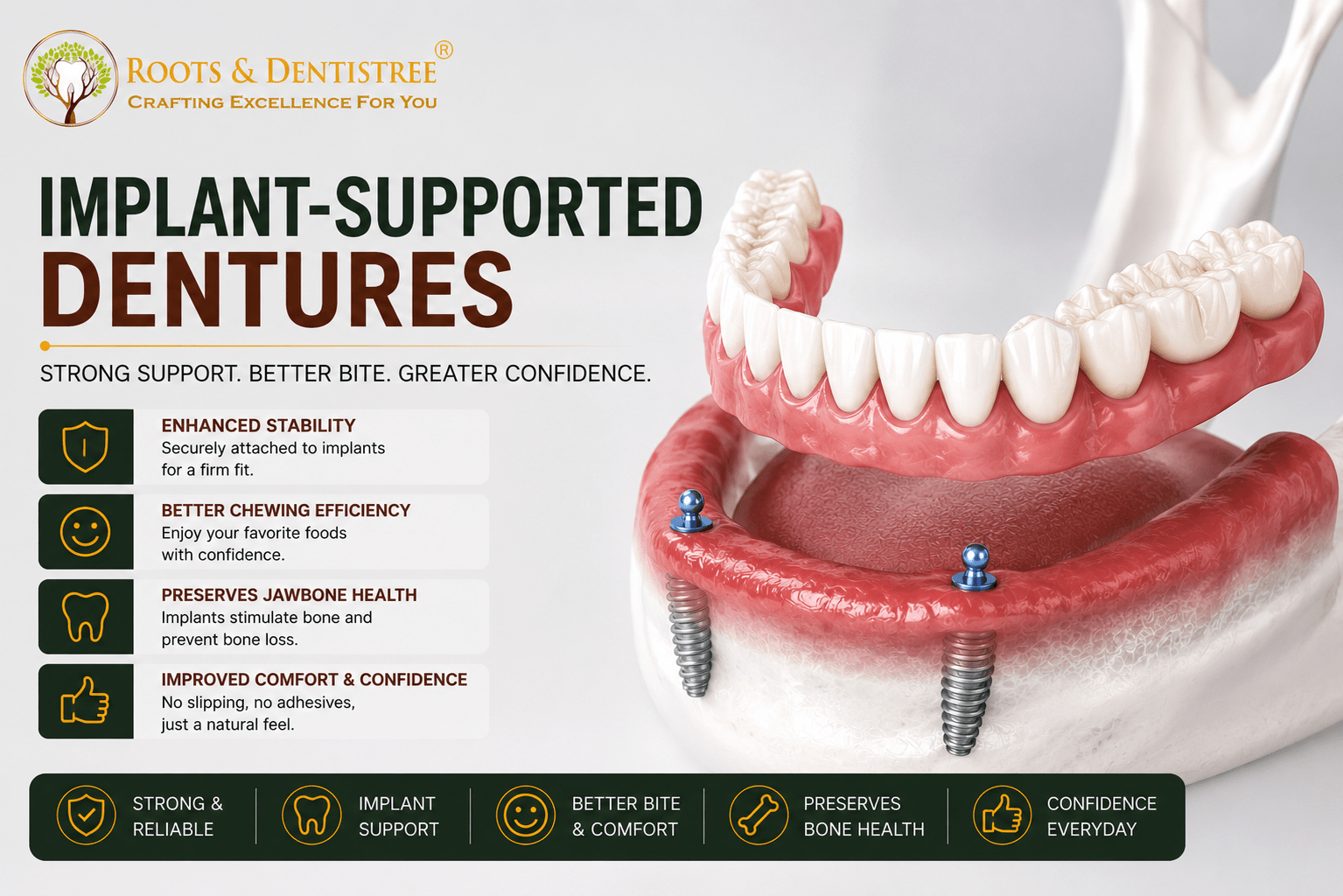
Implant-Supported Dentures
Implant-supported dentures combine the affordability of dentures with the stability of dental implants.
Instead of resting solely on the gums, these dentures are securely attached to dental implants placed within the jawbone. As a result, they provide significantly improved retention, chewing efficiency, and patient confidence.
Moreover, implant-supported dentures help preserve jawbone health by stimulating the underlying bone.
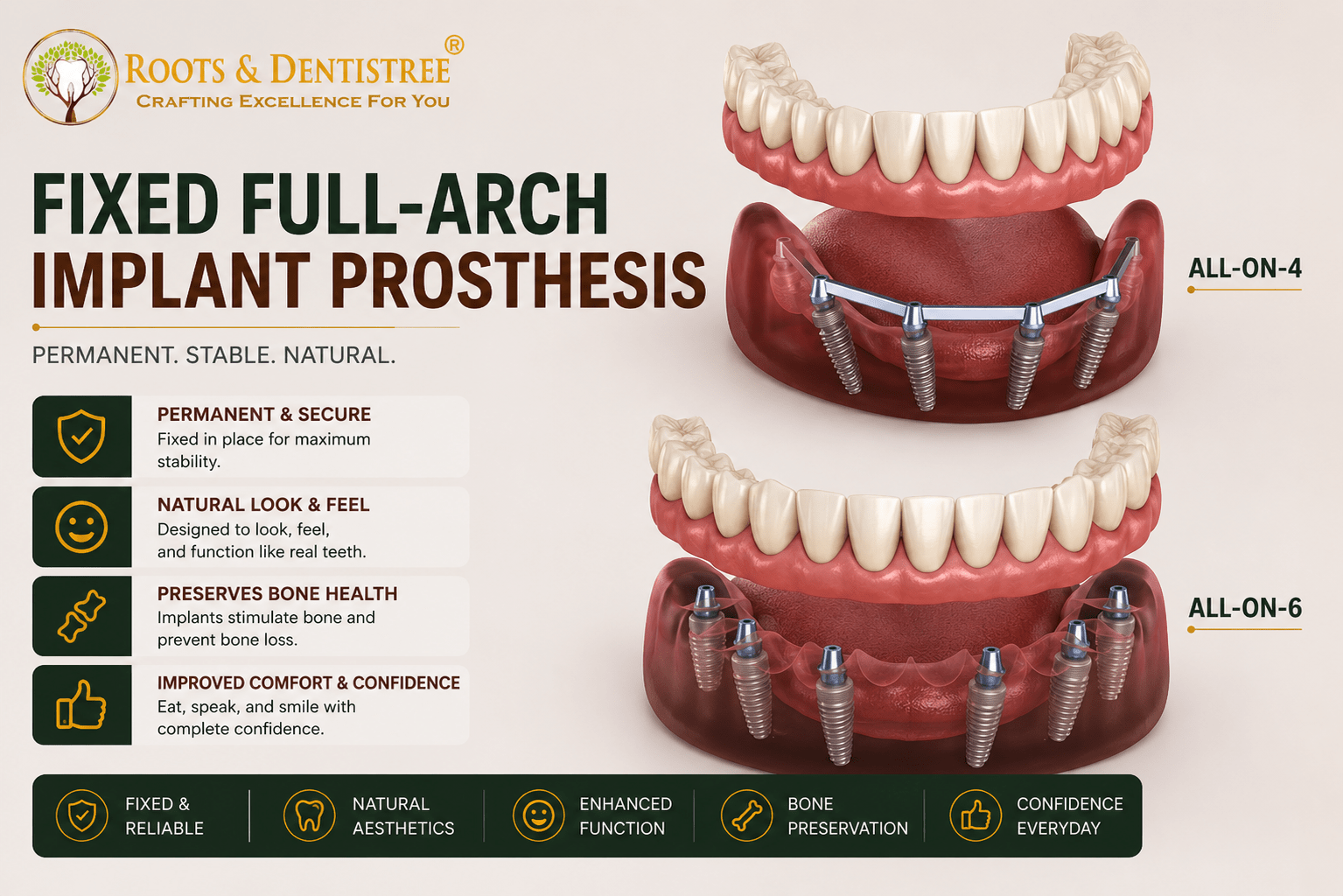
Fixed Full-Arch Implant Prosthesis
For patients seeking the closest alternative to natural teeth, fixed implant-supported prostheses such as All-on-4 and All-on-6 provide exceptional function and aesthetics.
Unlike removable dentures, these restorations remain permanently attached to dental implants. Consequently, patients enjoy greater comfort, stability, and confidence during daily activities.
Benefits of Dentures

Dentures restore the ability to chew food comfortably while improving speech and facial appearance. In addition, they provide support for the lips and cheeks, thereby reducing the appearance of facial collapse caused by missing teeth.
Furthermore, replacing missing teeth enhances self-confidence and encourages better social interaction. Consequently, many patients experience a significant improvement in their quality of life following treatment.
Dentures vs Dental Implants
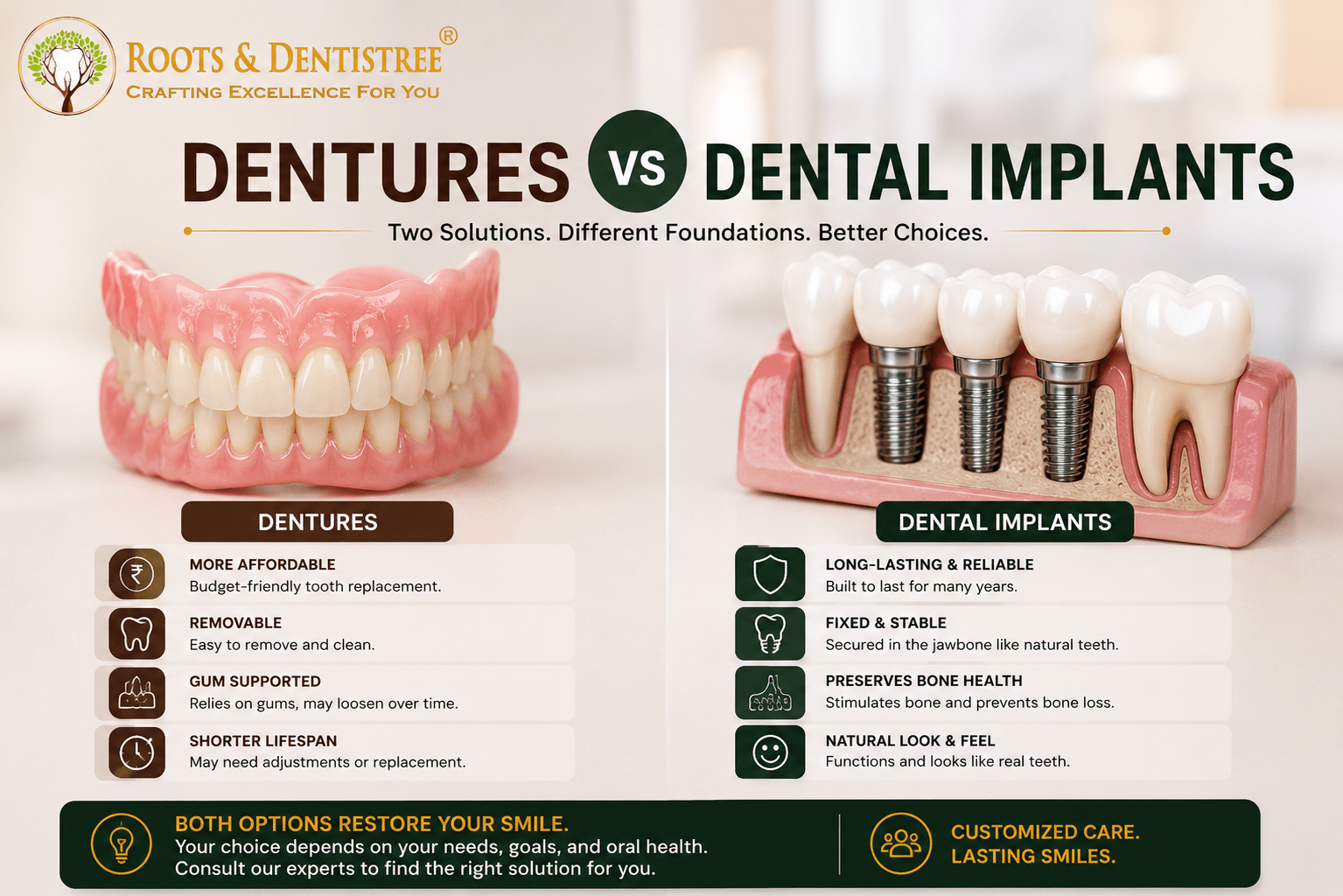
Although both treatment options restore missing teeth, they differ considerably in terms of function and longevity.
Traditional dentures are removable and generally more affordable. However, they rely on gum support and may become loose over time.
Dental implants, on the other hand, are fixed within the jawbone and provide superior stability. In addition, implants help preserve bone levels and closely replicate natural teeth.
Nevertheless, dentures remain an excellent option for many patients, particularly when implant treatment is not suitable or preferred.
What to Expect During Denture Treatment
The treatment process begins with a comprehensive consultation and oral examination. Subsequently, impressions or digital scans are obtained to accurately record the oral structures.
Following this stage, custom dentures are fabricated to match the patient’s facial features, bite, and aesthetic preferences. Once completed, adjustments are carried out to optimize comfort and function.
Finally, patients receive guidance regarding denture care, maintenance, and adaptation.
How Long Do Dentures Last?
The lifespan of dentures depends on the material used, oral hygiene practices, and changes within the mouth over time.
Conventional acrylic dentures generally last between five and eight years before replacement or relining becomes necessary. Flexible dentures often demonstrate similar longevity, whereas cast partial dentures may remain functional for considerably longer.
Implant-supported dentures can provide excellent long-term performance when properly maintained.
Therefore, regular dental reviews remain essential regardless of the denture type.
Denture Cost in Hyderabad
One of the most common questions patients ask concerns the cost of dentures in Hyderabad.
Treatment costs vary depending on the type of denture, the materials selected, and the complexity of the case.
Approximate Denture Cost in Hyderabad
Complete Acrylic Denture (Per Arch):
₹18,000 – ₹25,000
Complete Acrylic Dentures (Both Arches):
₹36,000 – ₹50,000
Flexible Dentures (Per Arch):
₹25,000 – ₹35,000
Cast Partial Dentures(Per Arch):
₹20,000 – ₹50,000
Premium Characterized Dentures:
₹50,000 – ₹80,000
Implant-Supported Overdentures:
₹1,50,000 – ₹4,50,000
Fixed Full-Arch Implant Prosthesis (All-on-4 / All-on-6):
₹3,50,000 – ₹12,00,000 or more
These price ranges represent approximate costs commonly observed in Hyderabad. However, the final investment depends on individual treatment requirements.
Factors Affecting Denture Cost
Several factors influence the overall treatment cost.
The type of denture selected remains one of the primary considerations. In addition, premium materials, individualized characterization, and advanced fabrication techniques may increase the overall investment.
Furthermore, implant-supported dentures involve surgical procedures, implant components, and custom prosthetic fabrication. Consequently, they are generally more expensive than conventional removable dentures.
The experience of the prosthodontist and the quality of the dental laboratory also contribute to treatment costs.
Caring for Your Dentures
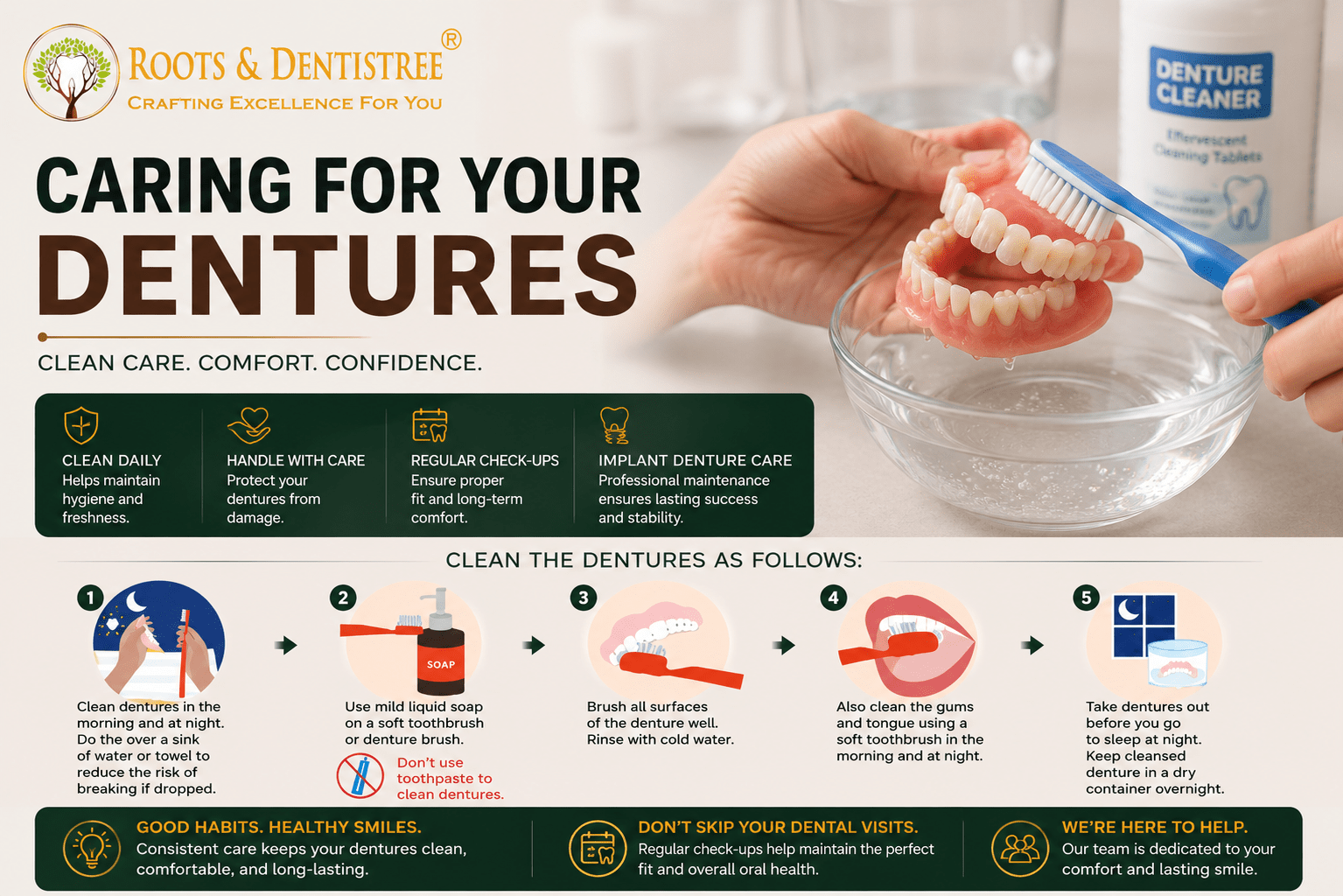
Proper maintenance is essential for maximizing the lifespan of your dentures.
Dentures should be cleaned daily using appropriate cleaning solutions and soft brushes. Additionally, they should be handled carefully to prevent accidental damage.
Regular dental examinations remain important because the shape of the gums and jawbone gradually changes over time. Therefore, periodic adjustments or relining may be required to maintain comfort and stability.
Patients with implant-supported dentures should also continue professional maintenance visits to ensure long-term success.
Why Choose ROOTS & DENTISTREE for Denture Treatment?
At ROOTS & DENTISTREE, every denture is individually designed to provide optimal comfort, function, and aesthetics.
Through the combined expertise of Dr. Srinivas Reddy, Prosthodontist, and Dr. Guru Charan and Dr. Chitra Chakravarthy, Oral & Maxillofacial Surgeons and Implantologists, patients receive multidisciplinary care that addresses both surgical and prosthetic aspects of treatment.
Consequently, every smile is restored with precision, durability, and natural appearance.
The Final Verdict
Modern dentures have transformed the lives of millions by restoring confidence, comfort, and oral function.
Whether you require a partial denture, complete denture, or implant-supported solution, selecting the appropriate treatment depends on your oral condition, expectations, and long-term goals.
Ultimately, a professional consultation remains the best way to determine which option will provide the most satisfying and lasting results.
Frequently Asked Questions
Comfort depends on the individual patient. However, implant-supported dentures generally provide the greatest stability and chewing efficiency.
Most conventional dentures are completed within two to four appointments, although timelines vary according to treatment complexity.
Yes. Although an adjustment period is expected, most patients gradually regain comfortable chewing ability.
Yes. Over time, changes in the gums and jawbone may require relining or replacement to maintain proper fit.
For many patients, the improved comfort, stability, and long-term function make implant-supported dentures an excellent investment.