
Halitosis: Everything You Need to Know About Bad Breath
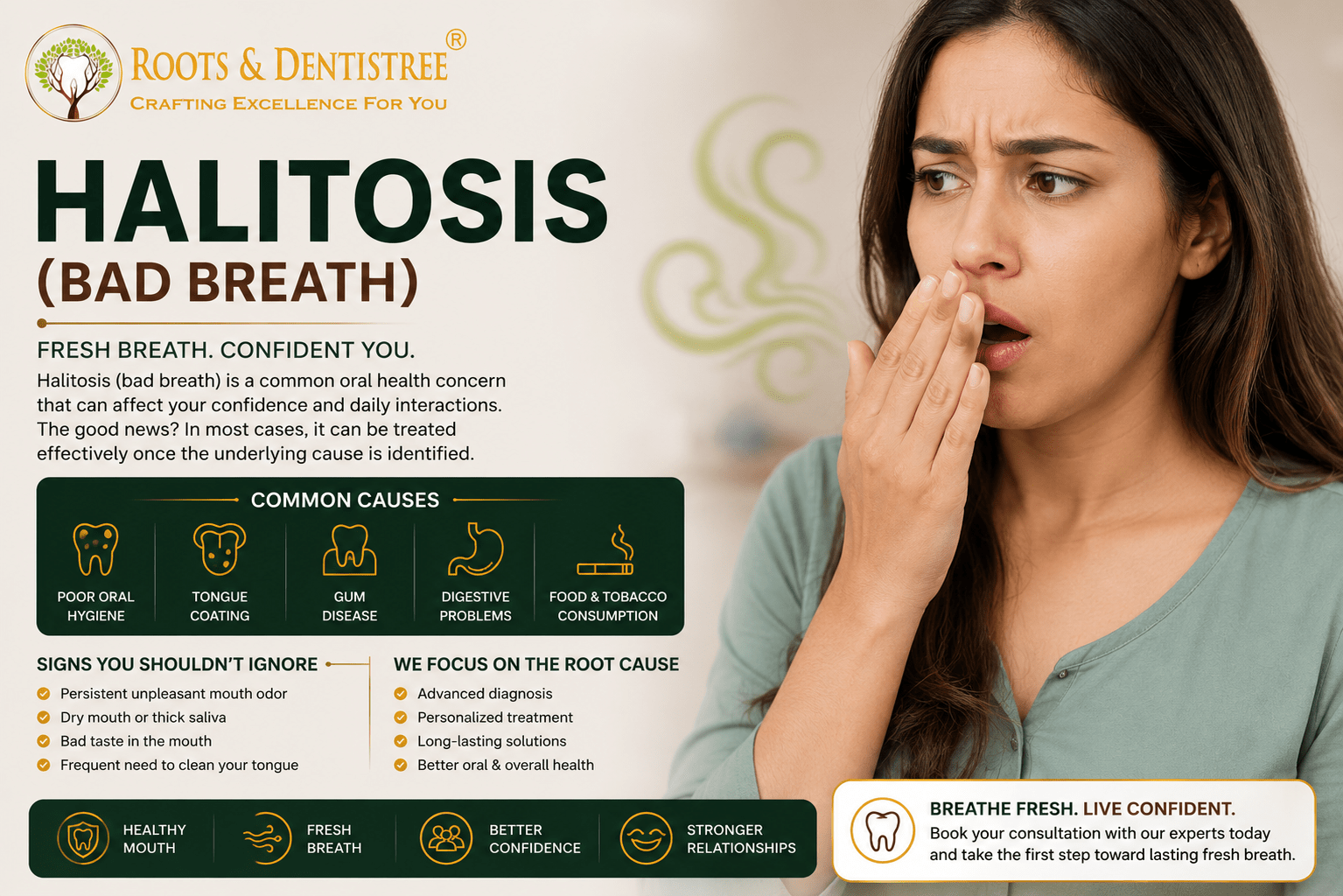
Bad breath, medically known as halitosis, is one of the most common oral health concerns affecting people of all ages. Although it may seem like a minor issue, persistent bad breath can significantly impact self-confidence, social interactions, and professional relationships. Fortunately, most cases of halitosis can be successfully treated once the underlying cause is identified.
At ROOTS & DENTISTREE, we believe that fresh breath begins with a healthy mouth. Therefore, our approach focuses not only on eliminating unpleasant odors but also on treating the root cause of the problem to ensure long-lasting results.
What is Halitosis?
Halitosis is the persistent presence of an unpleasant odor originating from the mouth. While temporary bad breath after consuming foods such as garlic or onions is completely normal, chronic halitosis usually indicates an underlying oral or medical condition.
Consequently, if bad breath persists despite regular brushing, it should never be ignored.
What Causes Halitosis?
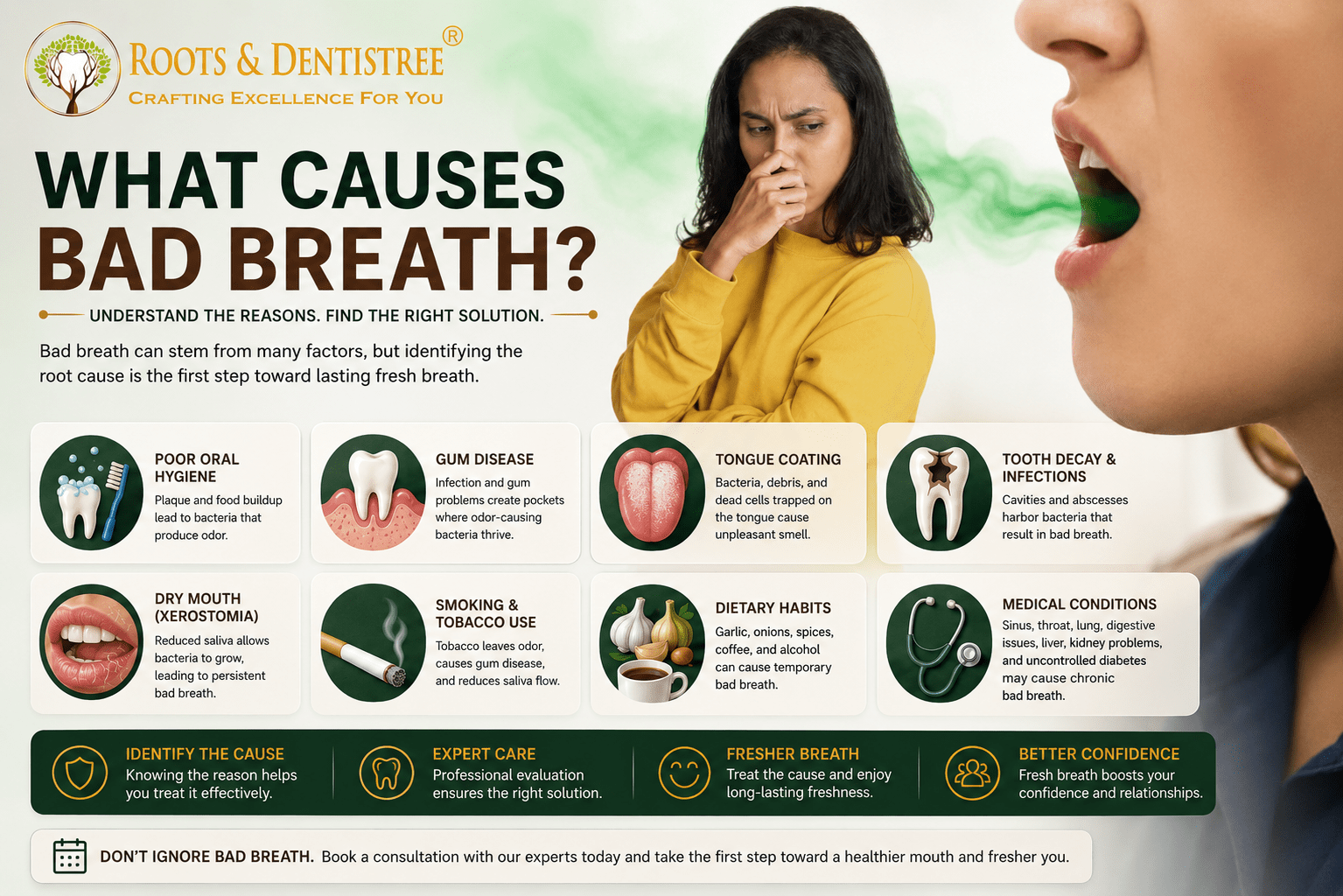
The majority of bad breath cases originate inside the mouth. However, certain medical conditions may also contribute to persistent halitosis.
Poor Oral Hygiene
Inadequate brushing and flossing allow food particles and plaque to accumulate around the teeth and gums. Subsequently, bacteria break down these particles and release volatile sulfur compounds, which are responsible for unpleasant odors.
Therefore, maintaining proper oral hygiene remains the first step toward fresh breath.
Gum Disease
Bleeding gums, swollen gums, and periodontal disease create an ideal environment for odor-producing bacteria. As the infection progresses, deeper periodontal pockets develop, allowing bacteria to thrive.
Consequently, chronic bad breath is often one of the earliest signs of gum disease.
Tongue Coating
The tongue contains numerous tiny grooves that can trap bacteria, food debris, and dead cells. As a result, a thick coating develops, particularly toward the back of the tongue.
Regular tongue cleaning significantly reduces bacterial accumulation and improves breath freshness.
Tooth Decay and Dental Infections
Untreated cavities and dental abscesses often harbor bacteria that produce unpleasant odors. Furthermore, food particles trapped inside decayed teeth continue to promote bacterial growth.
Therefore, prompt treatment of cavities and infections is essential.
Dry Mouth (Xerostomia)
Saliva naturally cleanses the mouth by washing away food particles and neutralizing bacteria. However, reduced saliva production allows bacteria to multiply more rapidly.
Dry mouth may occur due to dehydration, certain medications, aging, mouth breathing, or systemic diseases. Consequently, persistent dryness often leads to chronic bad breath.
Smoking and Tobacco Use
Smoking not only leaves a distinct odor in the mouth but also increases the risk of gum disease and dry mouth. In addition, tobacco products alter the natural balance of oral bacteria.
Therefore, quitting smoking can significantly improve both breath and overall oral health.
Dietary Habits
Certain foods naturally produce temporary bad breath. Garlic, onions, spices, coffee, and alcohol are among the most common examples.
Although these odors usually disappear within a few hours, poor oral hygiene may prolong their effects.
Medical Conditions
In some situations, halitosis may indicate an underlying medical problem.
Conditions affecting the sinuses, throat, lungs, digestive system, liver, kidneys, or uncontrolled diabetes can occasionally produce distinctive breath odors.
Consequently, persistent bad breath without obvious dental causes should be medically evaluated.
How Do Dentists Diagnose Halitosis?
The first step involves a comprehensive oral examination to identify potential dental causes.
Your dentist carefully evaluates plaque accumulation, gum health, tooth decay, tongue coating, and existing restorations. Subsequently, digital X-rays may be recommended if hidden infections are suspected.
If no significant oral cause is identified, referral to a physician may be advised to investigate possible systemic conditions.
Treatment for Halitosis
Successful treatment depends entirely on identifying the underlying cause.
Professional dental cleaning removes plaque and tartar that cannot be eliminated by brushing alone. Consequently, bacterial accumulation is significantly reduced.
If gum disease is present, periodontal therapy may be recommended to eliminate infection beneath the gum line.
Similarly, cavities, defective restorations, and dental infections should be treated promptly to remove bacterial reservoirs.
Patients with dry mouth may benefit from increased water intake, saliva substitutes, or modifications to medications after consultation with their physician.
Meanwhile, improving daily oral hygiene plays a crucial role in preventing recurrence.
How to Prevent Halitosis Naturally
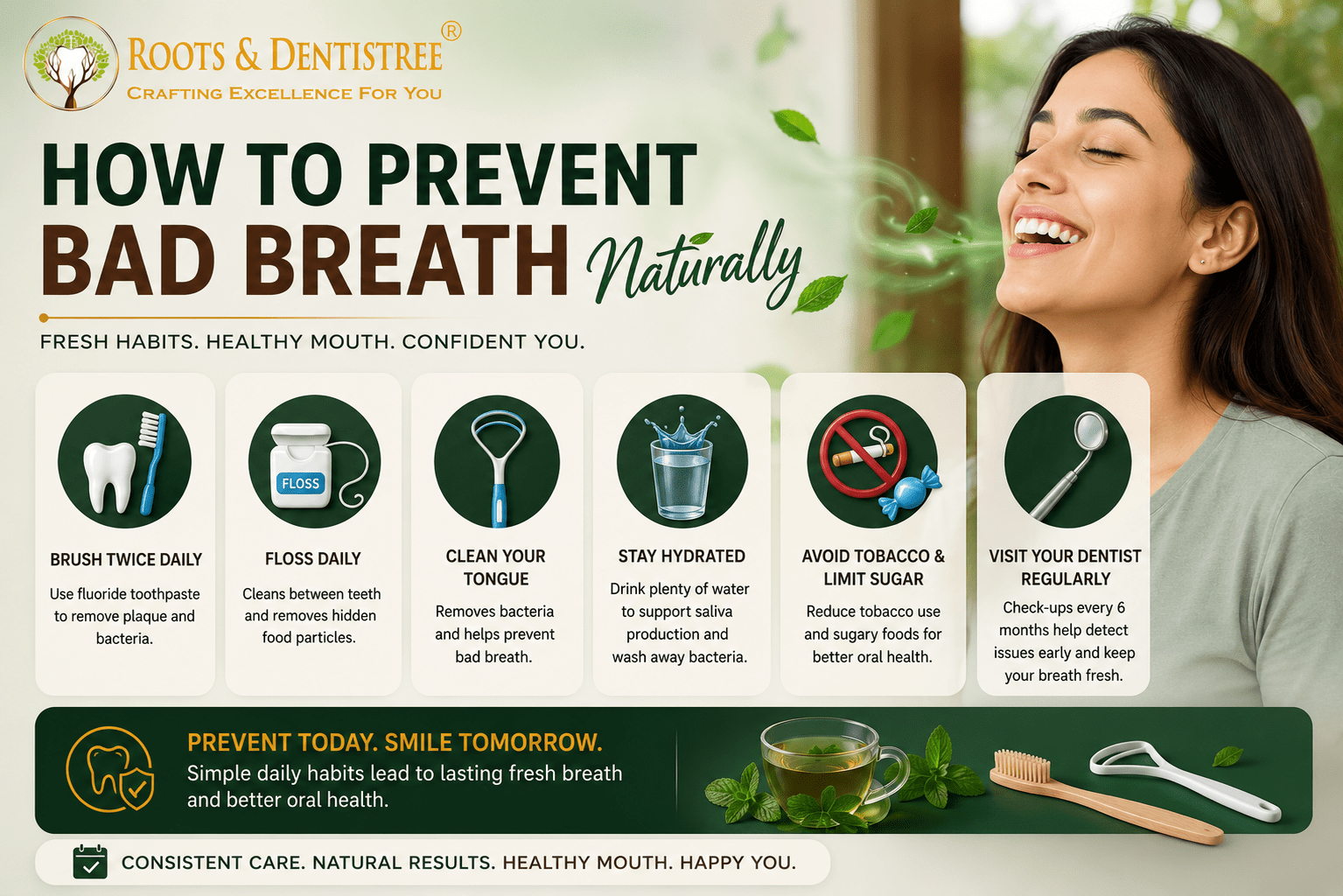
Fresh breath begins with consistent oral care.
Brushing your teeth twice daily using fluoride toothpaste helps remove plaque and bacteria. In addition, flossing once every day cleans areas that toothbrushes cannot reach.
Cleaning the tongue is equally important because it eliminates bacterial deposits responsible for unpleasant odors.
Furthermore, drinking adequate water throughout the day helps maintain healthy saliva production.
Reducing tobacco use and limiting sugary foods also contribute to improved oral health.
Finally, routine dental examinations every six months allow early detection of problems before they become more serious.
Foods That Help Improve Breath

Certain foods naturally stimulate saliva production while cleansing the mouth.
Crunchy fruits such as apples encourage mechanical cleaning of tooth surfaces. Similarly, carrots and cucumbers help reduce food debris.
Fresh herbs including mint and parsley may temporarily improve breath due to their natural aromatic compounds.
Green tea also contains polyphenols that may reduce odor-producing bacteria.
Although these foods provide supportive benefits, they should never replace proper oral hygiene.
Common Myths About Halitosis
Many people believe that mouthwash alone permanently eliminates bad breath. However, mouthwash typically masks odors temporarily rather than addressing the underlying cause.
Similarly, chewing gum may freshen breath for a short time. Nevertheless, persistent halitosis usually requires professional evaluation.
Another common misconception is that bad breath always originates from the stomach. In reality, approximately 80–90% of chronic halitosis cases originate within the mouth.
Therefore, dental evaluation should always be the first step.
When Should You Visit a Dentist For Halitosis?
Persistent bad breath lasting more than two weeks despite good oral hygiene should never be overlooked.
Similarly, bleeding gums, loose teeth, painful chewing, dry mouth, or visible cavities warrant professional examination.
Early diagnosis not only improves breath but also prevents more serious dental complications.
Why Choose ROOTS & DENTISTREE For Halitosis?
At ROOTS & DENTISTREE, we focus on identifying the actual cause of halitosis rather than simply treating the symptoms.
Through comprehensive examinations, advanced diagnostics, professional cleaning, periodontal therapy, and personalized oral hygiene guidance, we help patients achieve healthier mouths and lasting fresh breath.
Our patient-centered approach ensures that every treatment plan is tailored to individual needs, thereby providing effective and predictable results.
The Final Verdict
Bad breath is not something you simply have to live with.
In most cases, halitosis is both preventable and treatable when the underlying cause is properly identified. Consequently, seeking timely professional care can restore not only fresh breath but also confidence and overall oral health.
If you or a loved one struggles with persistent bad breath, a comprehensive dental evaluation is the best place to begin.
Frequently Asked Questions
Poor oral hygiene, plaque accumulation, gum disease, and tongue coating are the leading causes of chronic halitosis.
No. Mouthwash provides temporary freshness; however, treating the underlying cause is essential for long-term improvement.
Yes. Persistent bad breath is often one of the earliest warning signs of periodontal disease.
Bacteria on the tongue, gum infections, untreated cavities, or dry mouth may still be responsible.
Most individuals benefit from professional cleaning every six months, although patients with gum disease may require more frequent visits.