
Understanding Dental Caries: What Are The Causes and Symptoms?
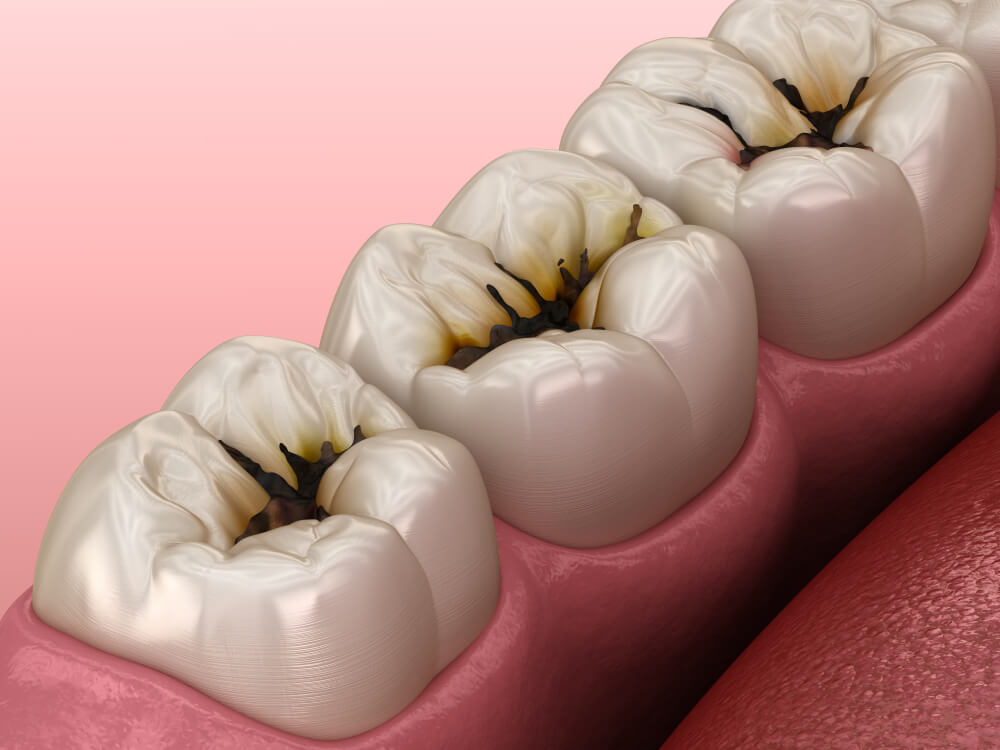
Dental Caries, otherwise commonly known as Tooth Cavities or Tooth Decay, are one of the most prevalent dental issues worldwide. Almost everyone experiences a dental cavity at some point in their life. Cavities can cause significant discomfort and lead to severe dental health problems if ignored. Therefore, understanding dental caries is crucial for maintaining a healthy mouth and smile.
What Exactly Are Dental Caries?
Dental caries is a technical term for tooth decay or cavity. When you consume food, especially sugary or starchy ones, bacteria in your mouth start to feast. This produces acid that gradually eats away at your tooth enamel. If not addressed, this can lead to the formation of a hole or cavity. According to statistics, over 2 billion people suffer from cavities globally. This shows how widespread the issue is, emphasizing the need for better awareness.
How Dental Caries Form: The Biological Process
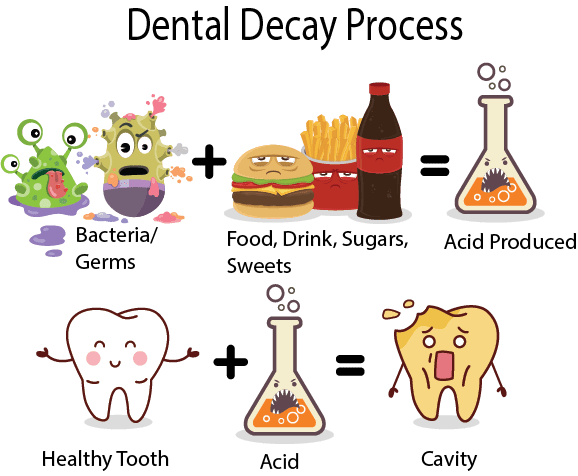
Let’s break down how dental caries or tooth decay forms. When you eat, bacteria in your mouth consume sugars, turning them into acids. These acids combine with saliva and food particles to form a sticky film called plaque. Over time, the acids in plaque begin eroding your tooth’s enamel, leading first to demineralization and eventually to decay. Initially, this process might not hurt, but as it progresses and penetrates deeper into the tooth, it can lead to serious problems like pain and sensitivity. If not treated, the situation might worsen, advancing to the dentin layer, and then it can affect nerves and blood vessels inside the tooth.
Causes of Cavities: More Than Just Sweets

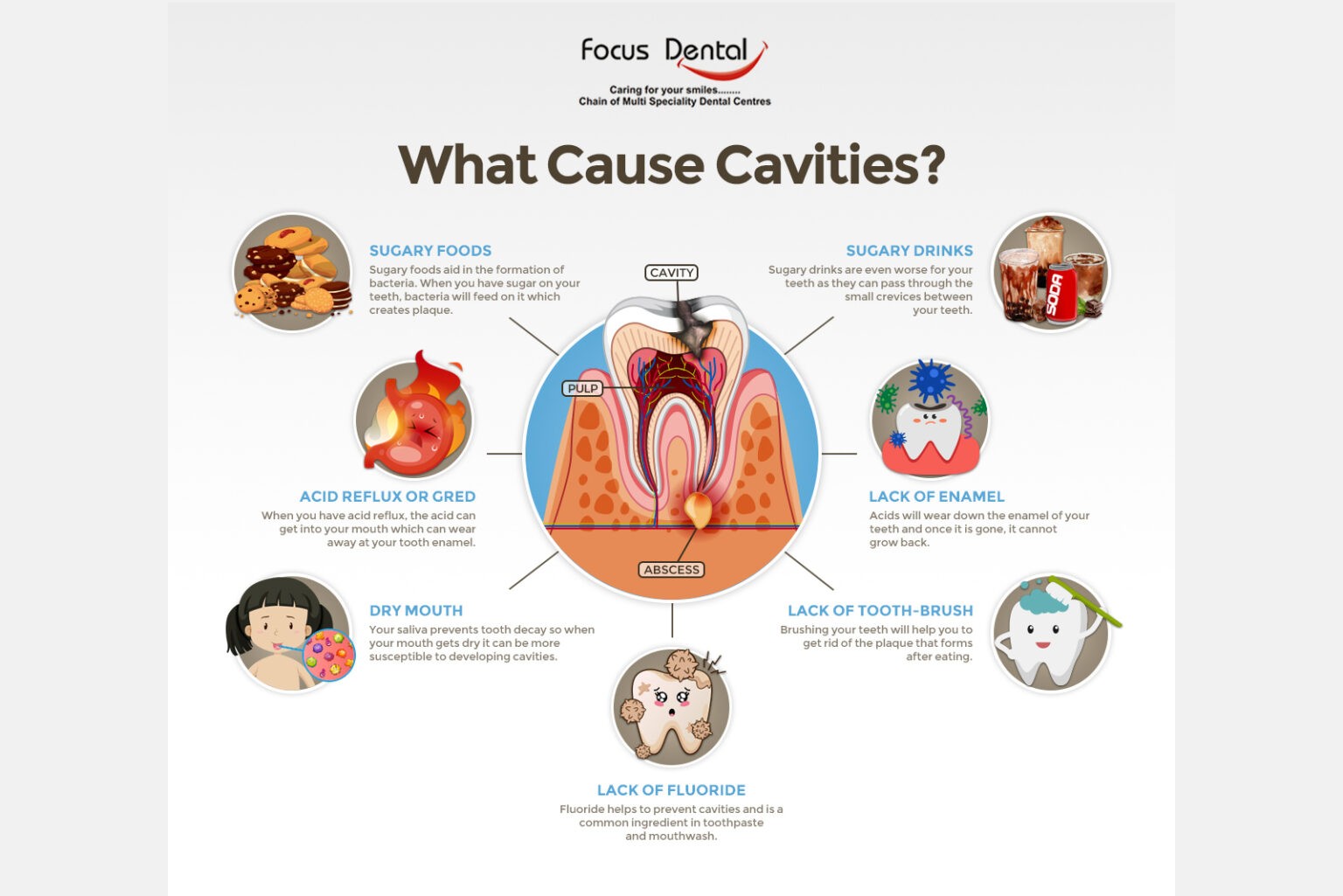
While sweets get a lot of blame for dental caries, poor oral hygiene also plays a big role. Not brushing or flossing regularly contributes to tooth decay. Sugar, particularly sucrose found in sweets, is a major player because bacteria love sugar and turning it into acid. Beyond candy, drinks like sodas and even fruit juices can exacerbate the issue. Several other factors contribute to this problem. For instance, not getting enough fluoride through water or dental products can affect enamel strength. A dry mouth — possibly caused by some medications or conditions — also helps bacteria thrive. Additionally, genetics may influence susceptibility to cavities, although it’s not a sole factor.
Recognizing The Symptoms
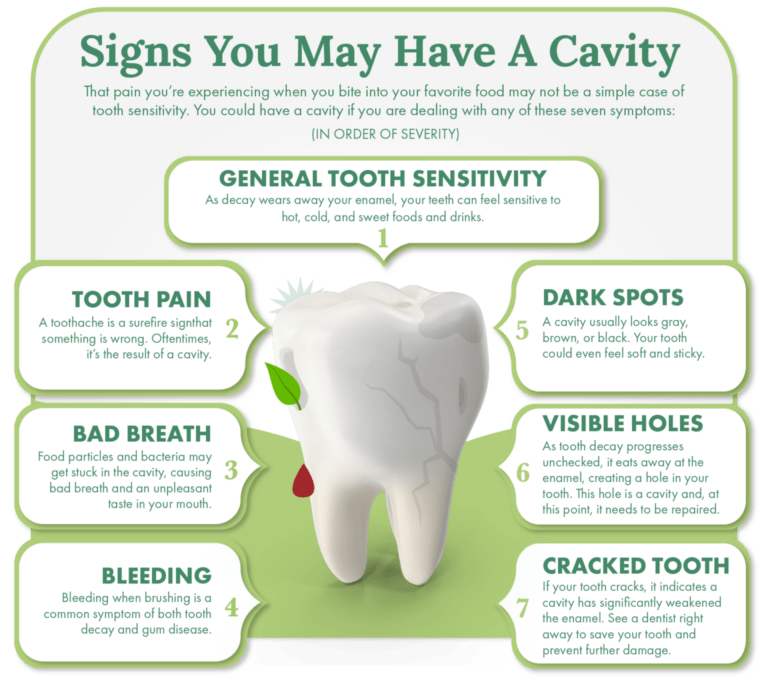
It’s helpful to spot the symptoms of dental caries early. Initially, you might notice white spots on your teeth. As tooth decay progresses, you may feel sensitivity with hot or cold foods. At advanced stages, you might see brown or black spots. Pain and discomfort usually indicate severe cases. Keep an eye out for consistent bad breath or an unpleasant taste in your mouth too. Recognizing these symptoms promptly is essential, as early detection leads to better management and fewer complications.
Understanding the Risk Factors
People of all ages can get dental caries. Children and older adults are often more susceptible due to changing oral environments and diets. Lifestyle choices, such as high sugar intake and smoking, increase risks. Certain medical conditions, like diabetes, can make you more prone to cavities. Anyone concerned about their vulnerability should consider these factors. Assessing your lifestyle and health can help you understand your risk profile.
How to Prevent Dental Caries: Tips for Healthy Teeth
Knowing how to prevent cavities is key to oral health. Start with good dental hygiene by brushing twice daily and flossing regularly. Reduce sugary foods and drinks. Explore your menu for Indian foods that are not sugary, such as fibrous vegetables. Using fluoride toothpaste or mouthwash can fortify your teeth against decay. Don’t forget to visit your dentist for check-ups every six months. With these simple steps, you can significantly reduce your risk.
When to Visit the Dentist: Signs You Shouldn't Ignore
Timely visits to the dentist ensure early detection of dental caries. If you notice persistent pain, sensitivity, or spots on your teeth, it’s time to go. Also, if you haven’t had a dental check-up in over a year, schedule one now. Navigating dental visits in India can be straightforward with online bookings and community recommendations.
A Glimpse Into Dental Caries Treatments
Dental caries treatment focuses on stopping tooth decay, restoring damaged teeth, and protecting your long-term oral health. Depending on the severity of the cavity, treatments may range from simple tooth-colored fillings to advanced procedures like root canal treatment or dental crowns. Early diagnosis helps preserve more of the natural tooth structure while preventing pain, infection, and further damage. At ROOTS & DENTISTREE, we combine modern technology with gentle dental care to provide comfortable, effective, and long-lasting dental caries treatments tailored to every patient’s needs.
Conclusion: Oral Health is Overall Health
In conclusion, maintaining good oral health by understanding and preventing dental caries is vital. We’ve discussed causes, symptoms, and preventive tips. Remember, taking action early on can save you from a lot of discomfort and expense. Prioritizing your oral health contributes greatly to your overall well-being.