
Do You Need A Crown After Root Canal?
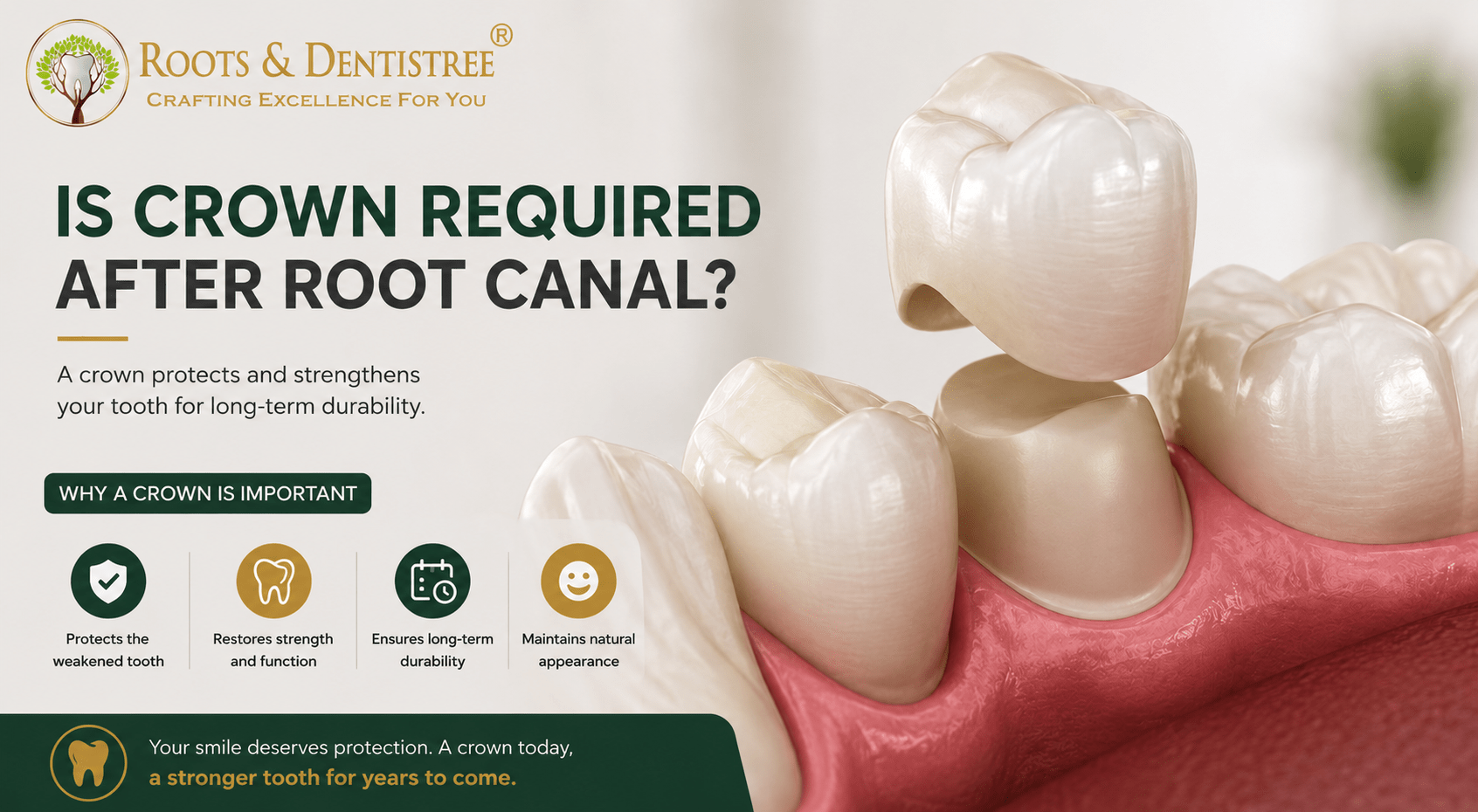
Many patients have one important question after the RCT procedure: “Do I really need a crown after a root canal treatment?” The answer depends on several factors.
Tooth pain can be distressing, and the relief that follows a successful root canal treatment often brings a sense of reassurance. Nevertheless, in many cases, placing a dental crown is essential to protect the treated tooth and ensure its long-term success.
At ROOTS & DENTISTREE, we believe that educating patients empowers them to make informed decisions about their oral health. Therefore, understanding the role of crowns after root canal treatment can help you preserve your natural tooth for years to come.
Understanding Root Canal Treatment
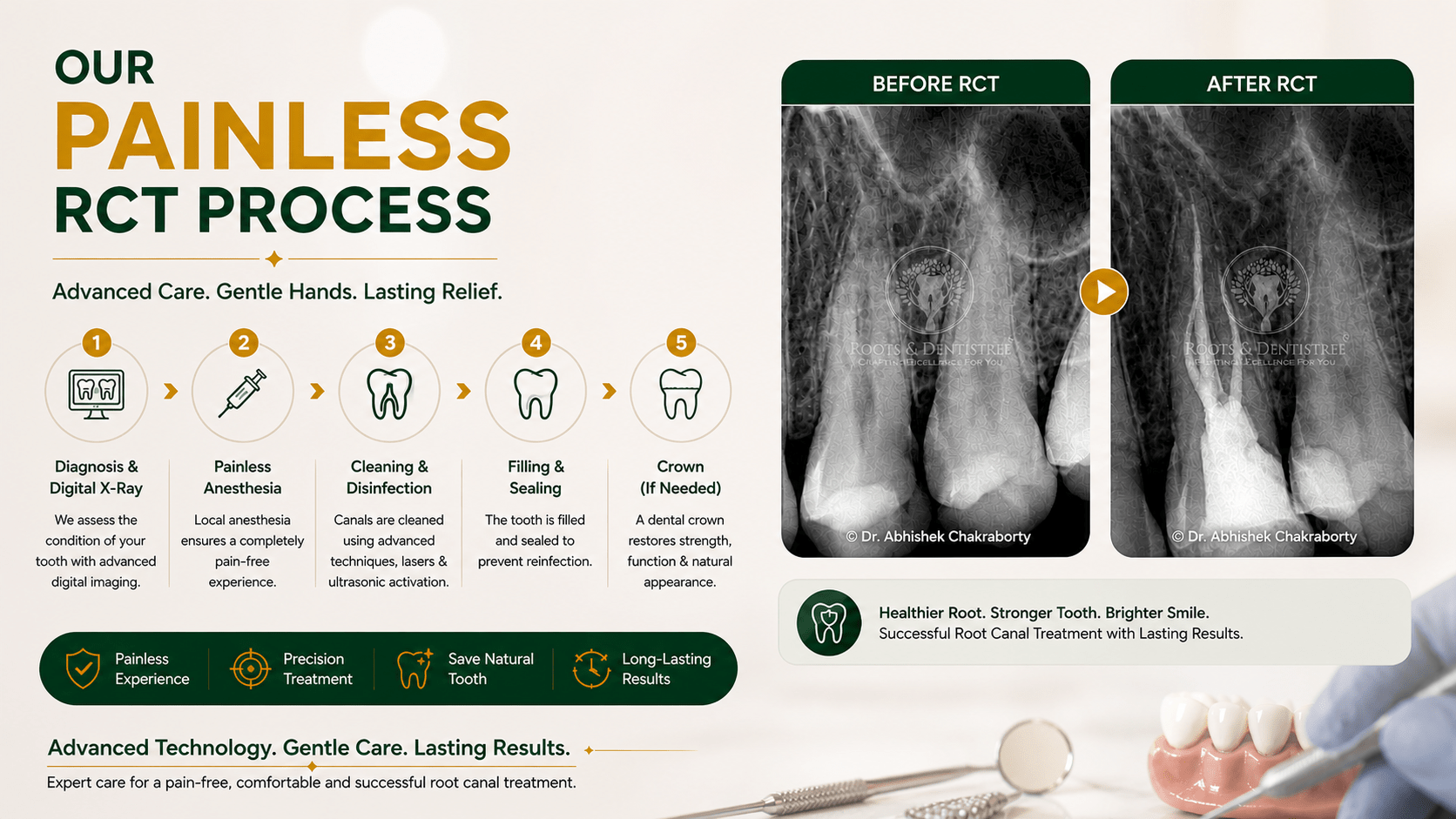
A root canal treatment is performed when the inner portion of a tooth, known as the pulp, becomes infected or inflamed. During the procedure, the infected tissue is removed, the canals are thoroughly cleaned and disinfected, and the space is sealed to prevent reinfection.
Although the infection is eliminated, the tooth itself undergoes structural changes. Since the blood supply and nerve tissue have been removed, the treated tooth often becomes more brittle over time. Consequently, it may be more susceptible to fractures, especially under heavy chewing forces.
Why Is a Crown Recommended After Root Canal Treatment?
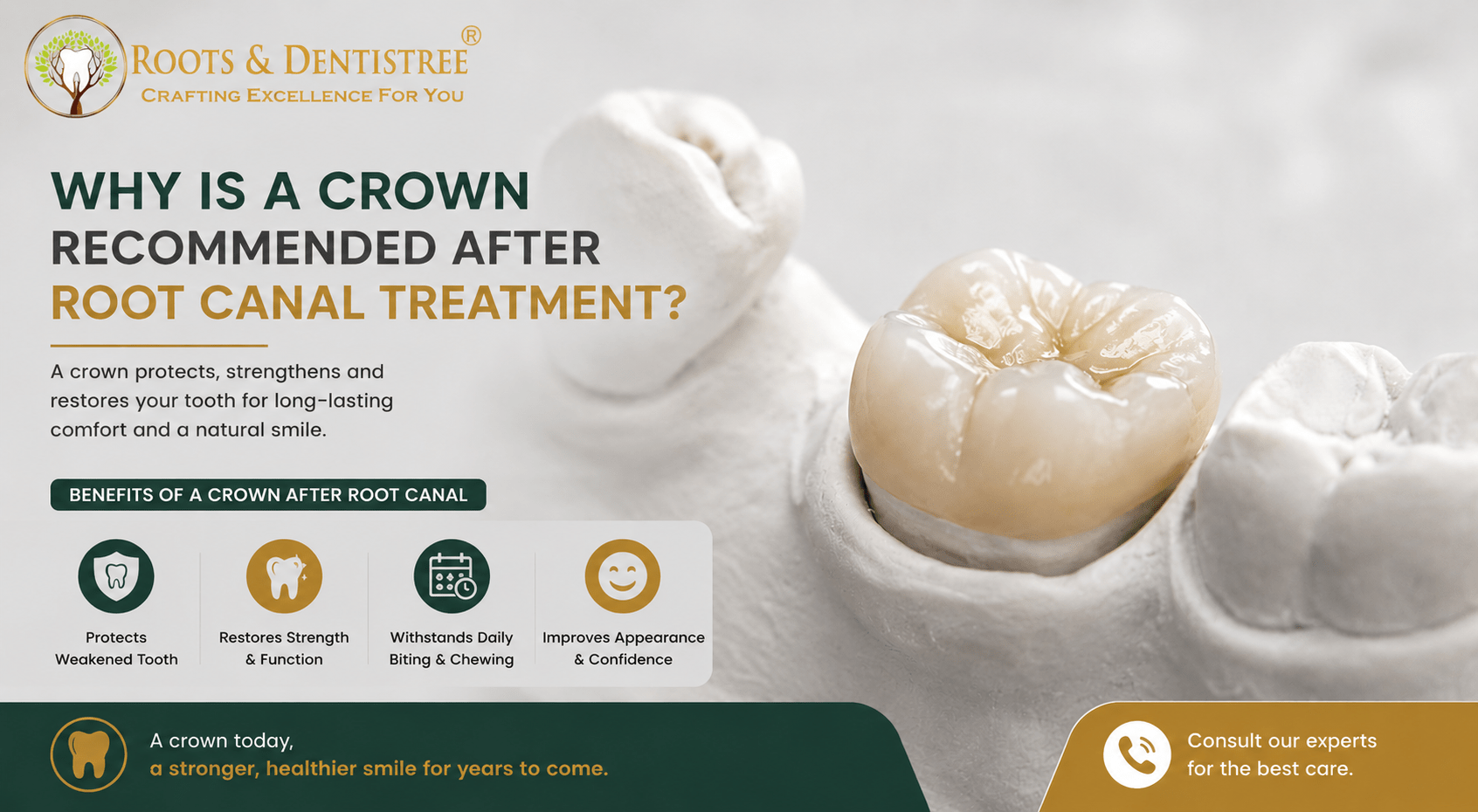
A dental crown acts as a protective cap that completely covers the treated tooth. As a result, it restores strength, function, and appearance while significantly reducing the risk of breakage.
Root canal treated teeth frequently lose a considerable amount of their original structure due to decay, previous fillings, or the access opening created during treatment. Therefore, a crown provides the reinforcement necessary to withstand everyday biting and chewing pressures.
Moreover, crowns help maintain the natural contour of the tooth, thereby improving both aesthetics and function.
Is a Crown Necessary for Every Root Canal Treated Tooth?
The simple answer is no. However, the need for a crown depends largely on the location of the tooth and the amount of remaining tooth structure.
Back teeth, including premolars and molars, are exposed to significantly greater chewing forces. Consequently, these teeth almost always benefit from crown placement following root canal treatment. Without adequate protection, the risk of fracture increases considerably.
Front teeth, on the other hand, experience less biting pressure. If sufficient healthy tooth structure remains intact, a crown may not always be necessary. Nevertheless, your dentist will carefully evaluate the tooth before making a recommendation.
What Happens If You Delay or Avoid Getting a Crown?
Many patients postpone crown placement because the discomfort has disappeared after the root canal treatment. Unfortunately, the absence of pain does not necessarily mean that the tooth is fully protected.
Without a crown, the treated tooth may crack or fracture unexpectedly during normal function. In some situations, the damage may be severe enough to make the tooth non-restorable. Consequently, extraction may become the only remaining option.
Therefore, delaying the final restoration can compromise the success of an otherwise well-performed root canal treatment.
Are There Any Exceptions?
Certain teeth with minimal structural damage may function adequately without a crown. For instance, small front teeth with intact enamel and limited access cavities may only require a tooth-colored restoration.
However, these cases are carefully selected after a comprehensive clinical assessment. Since every patient’s situation is different, individualized treatment planning remains essential.
Which Type of Crown Is Best After Root Canal Treatment?
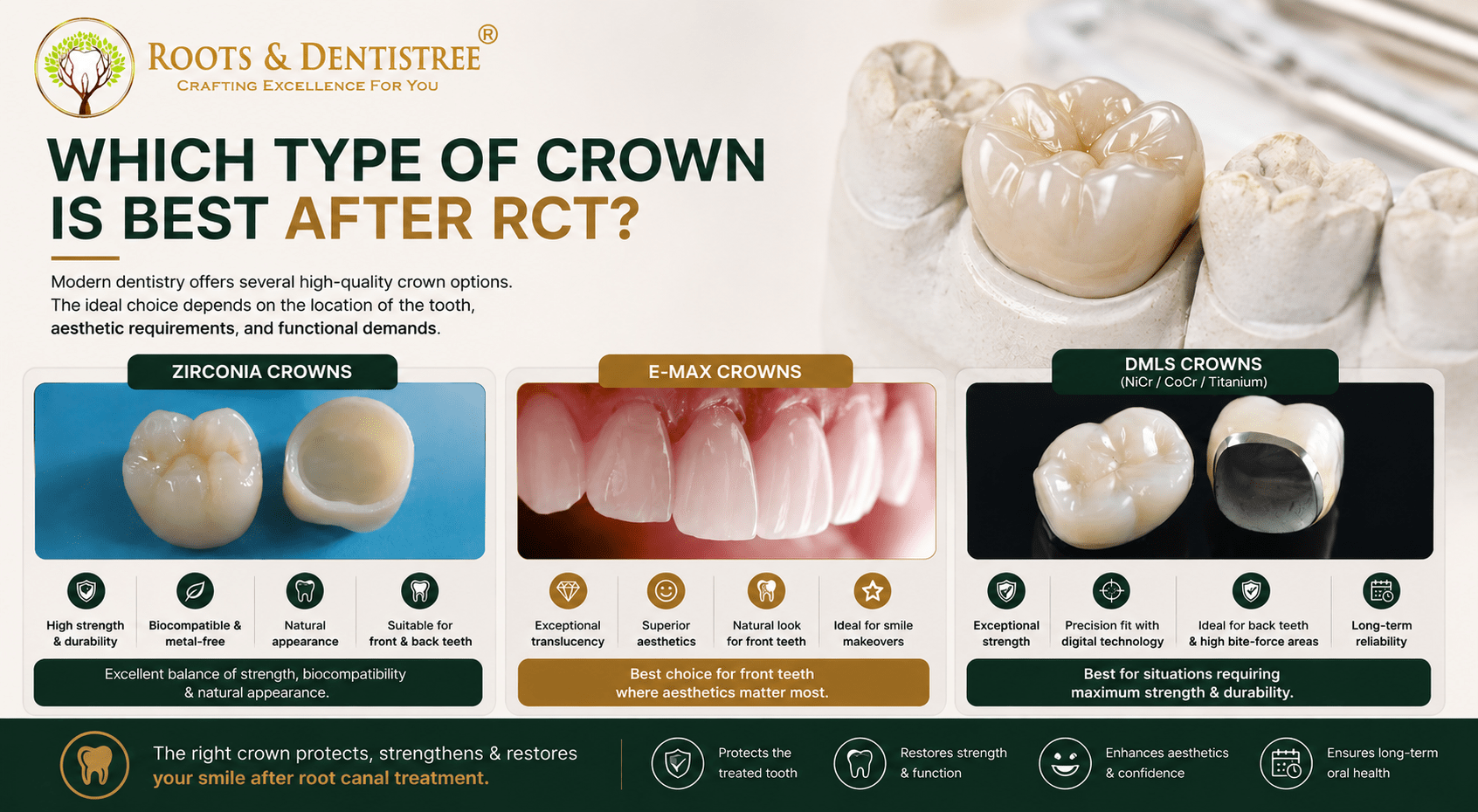
Modern dentistry offers several high-quality crown options. The ideal choice depends on the location of the tooth, aesthetic requirements, and functional demands.
Zirconia crowns, particularly premium systems such as Ivoclar Vivadent Zirconia, provide an excellent balance of strength, biocompatibility, and natural appearance. Consequently, they are considered one of the most reliable choices for both front and back teeth.
EMax crowns offer exceptional translucency and aesthetics. Therefore, they are often preferred for front teeth where appearance is the primary concern.
DMLS crowns, fabricated using advanced digital technology in materials such as NiCr, CoCr, and titanium alloys, deliver outstanding durability and precision. As a result, they remain suitable options in situations where maximum strength is required.
Expert Insights from Dr. Abhishek Chakraborty

According to Dr. Abhishek Chakraborty, Conservative and Aesthetic Dentist & Painless LASER RCT Specialist, the objective of root canal treatment extends beyond eliminating pain.
“Saving the natural tooth is only the first step. Protecting that tooth with the appropriate restoration ensures longevity, function, and continued oral health.”
Therefore, the final restoration should never be considered an optional phase of treatment. Instead, it should be viewed as an integral component of preserving your tooth.
How Long Should You Wait Before Getting a Crown?
Ideally, the crown should be placed soon after the completion of the root canal treatment. In many cases, the final restoration can be completed within a few days to a few weeks.
Prompt placement minimizes the chances of tooth fracture and helps maintain the integrity of the treated tooth. Consequently, patients enjoy better long-term outcomes.
The Final Verdict-Is Crown Really Required?
So, is a crown required after root canal treatment?
In most situations, the answer is yes. While not every tooth will require one, the majority of root canal treated teeth—particularly those located in the back of the mouth—benefit significantly from the protection a crown provides.
Ultimately, investing in a well-fitted crown protects your treatment, preserves your natural tooth, and reduces the likelihood of future complications.
Frequently Asked Questions
Although it may feel comfortable initially, chewing without a crown can increase the risk of fracture, especially in molars and premolars.
Ideally, the crown should be placed within a few days to a few weeks after the procedure, depending on your dentist's recommendation.
Some front teeth with minimal damage may not require crowns. However, most back teeth benefit greatly from additional protection.
Zirconia crowns are widely recognized for their excellent strength, durability, and biocompatibility.
No. Crown placement is generally comfortable and is performed using local anesthesia whenever necessary.