
A Comprehensive Guide to Enamel Hypoplasia
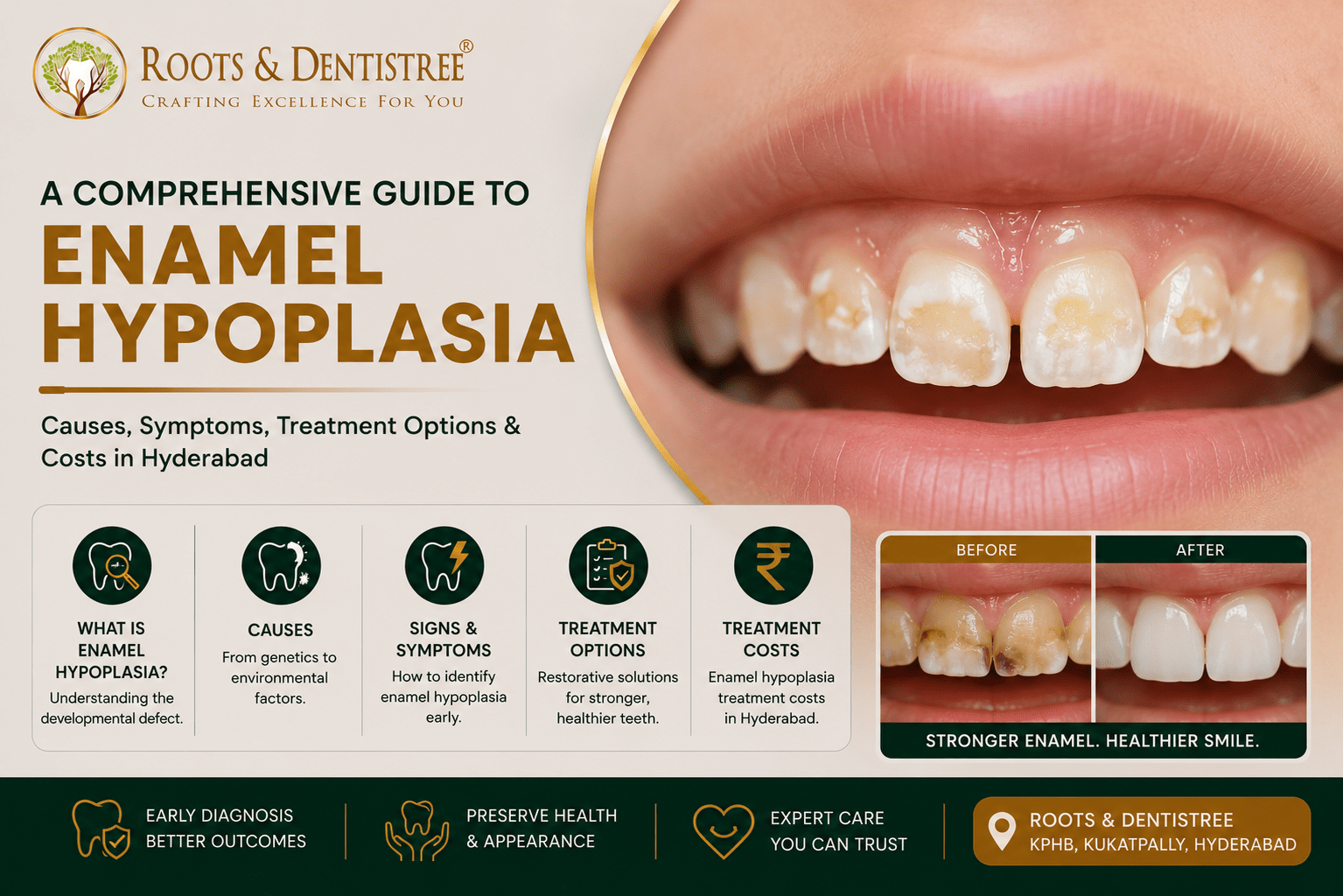
Your tooth enamel is the hardest substance in the human body. Nevertheless, it is not indestructible. When enamel does not develop properly during tooth formation, the affected teeth become weaker, more sensitive, and increasingly vulnerable to cavities. This developmental condition is known as enamel hypoplasia.
Although enamel hypoplasia is relatively common, many people mistake it for ordinary tooth discoloration or poor oral hygiene. Consequently, treatment is often delayed until significant damage has already occurred.
At ROOTS & DENTISTREE, we believe that early diagnosis and personalized treatment can preserve both the health and appearance of affected teeth. Therefore, this comprehensive guide explains everything you need to know about enamel hypoplasia, including its causes, symptoms, treatment options, and treatment costs in Hyderabad.
What is Enamel Hypoplasia?
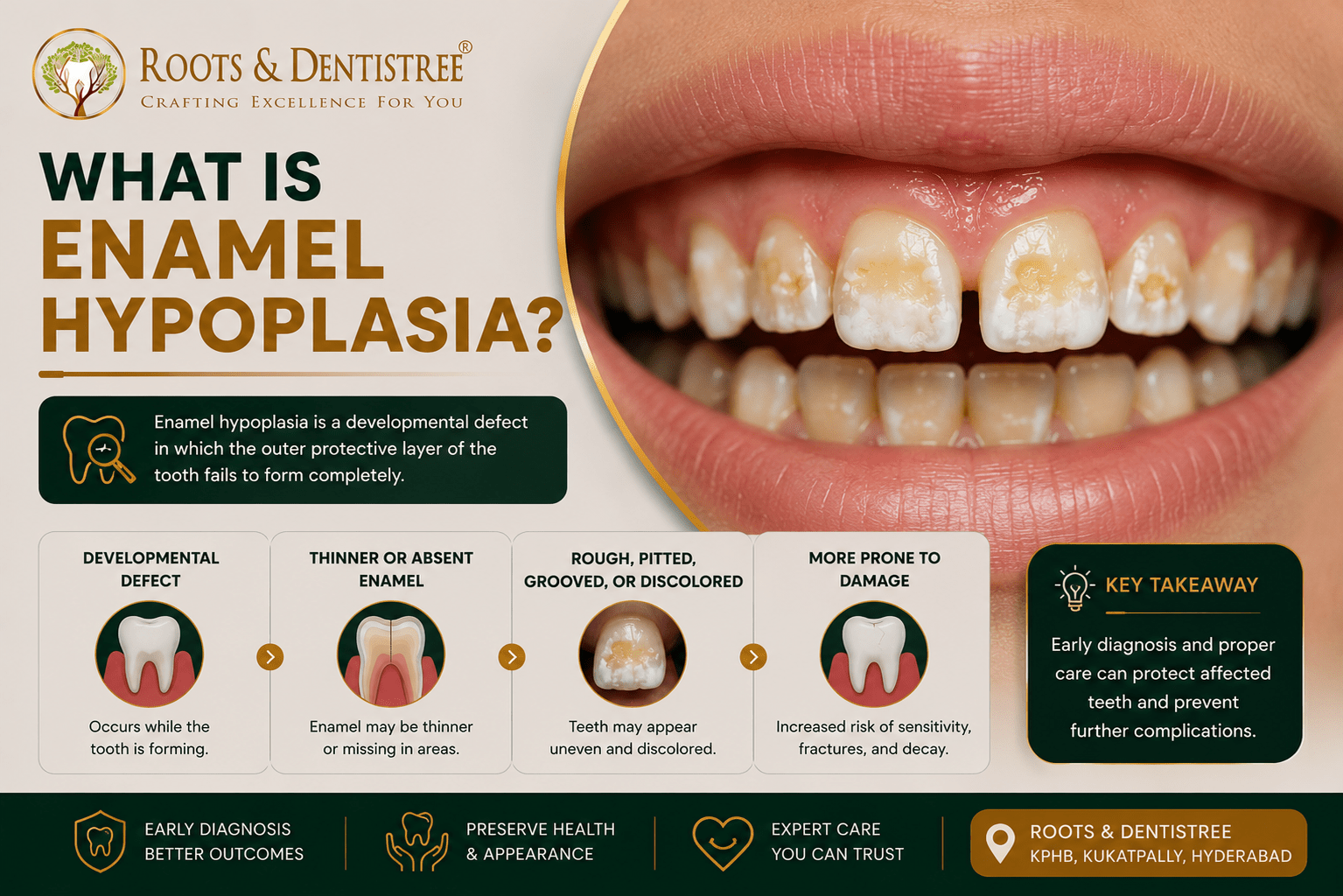
Enamel hypoplasia is a developmental defect in which the outer protective layer of the tooth fails to form completely. Unlike enamel erosion, which occurs after the tooth erupts, enamel hypoplasia develops while the tooth is still forming.
As a result, the enamel may be thinner than normal or completely absent in certain areas.
Consequently, affected teeth often appear rough, pitted, grooved, or discolored. Furthermore, these teeth are considerably more susceptible to sensitivity, fractures, and tooth decay.
What Causes Enamel Hypoplasia?
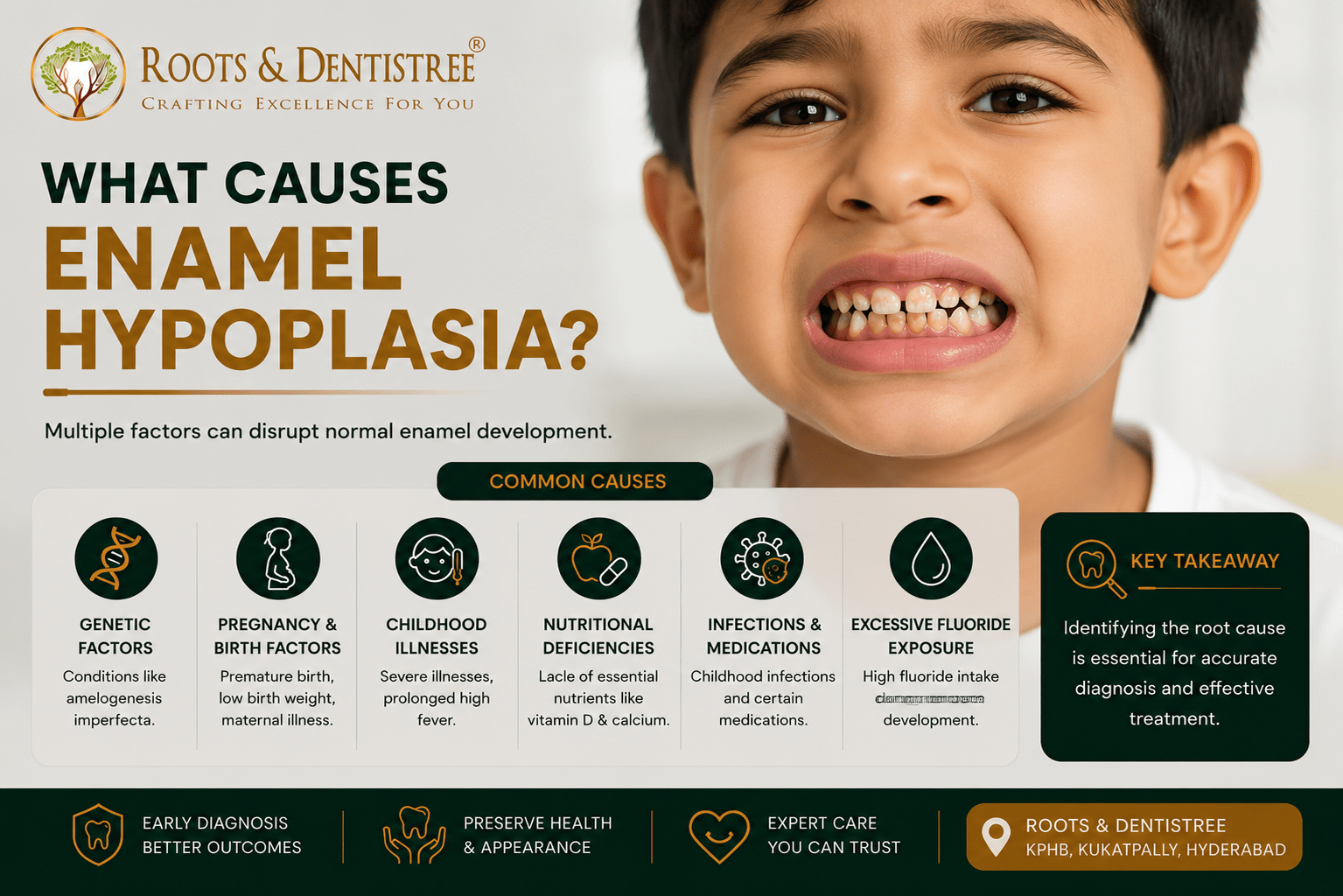
Several factors can interfere with normal enamel development.
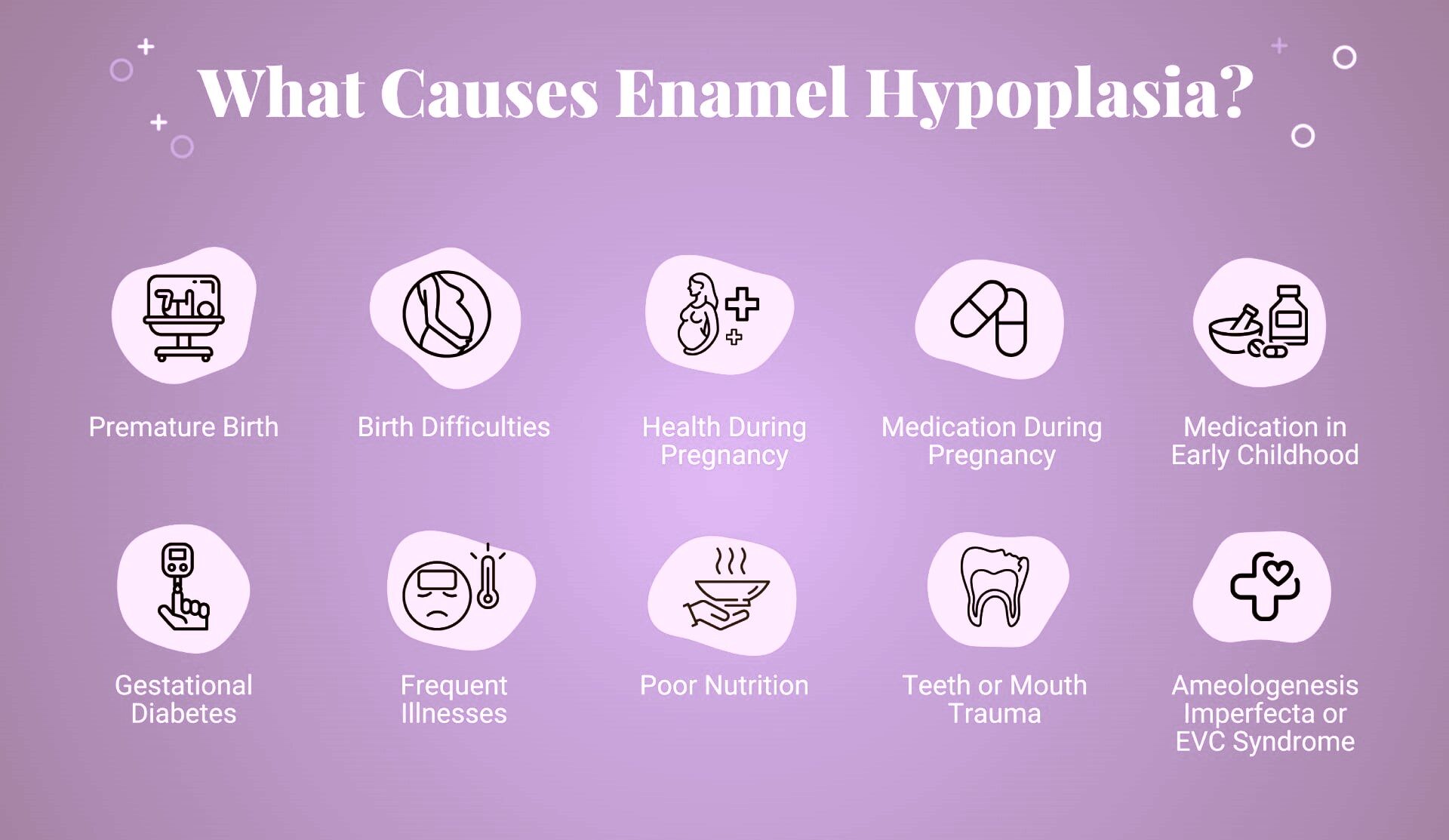
Genetic conditions such as amelogenesis imperfecta are among the most recognized causes. However, environmental influences during pregnancy and early childhood may also affect enamel formation.
Premature birth, low birth weight, severe childhood illnesses, prolonged high fever, nutritional deficiencies, vitamin D deficiency, calcium deficiency, childhood infections, and certain medications can all contribute to the condition.
In addition, excessive fluoride exposure during tooth development may produce defects that resemble enamel hypoplasia. Therefore, accurate diagnosis is essential before treatment begins.
Signs and Symptoms of Enamel Hypoplasia
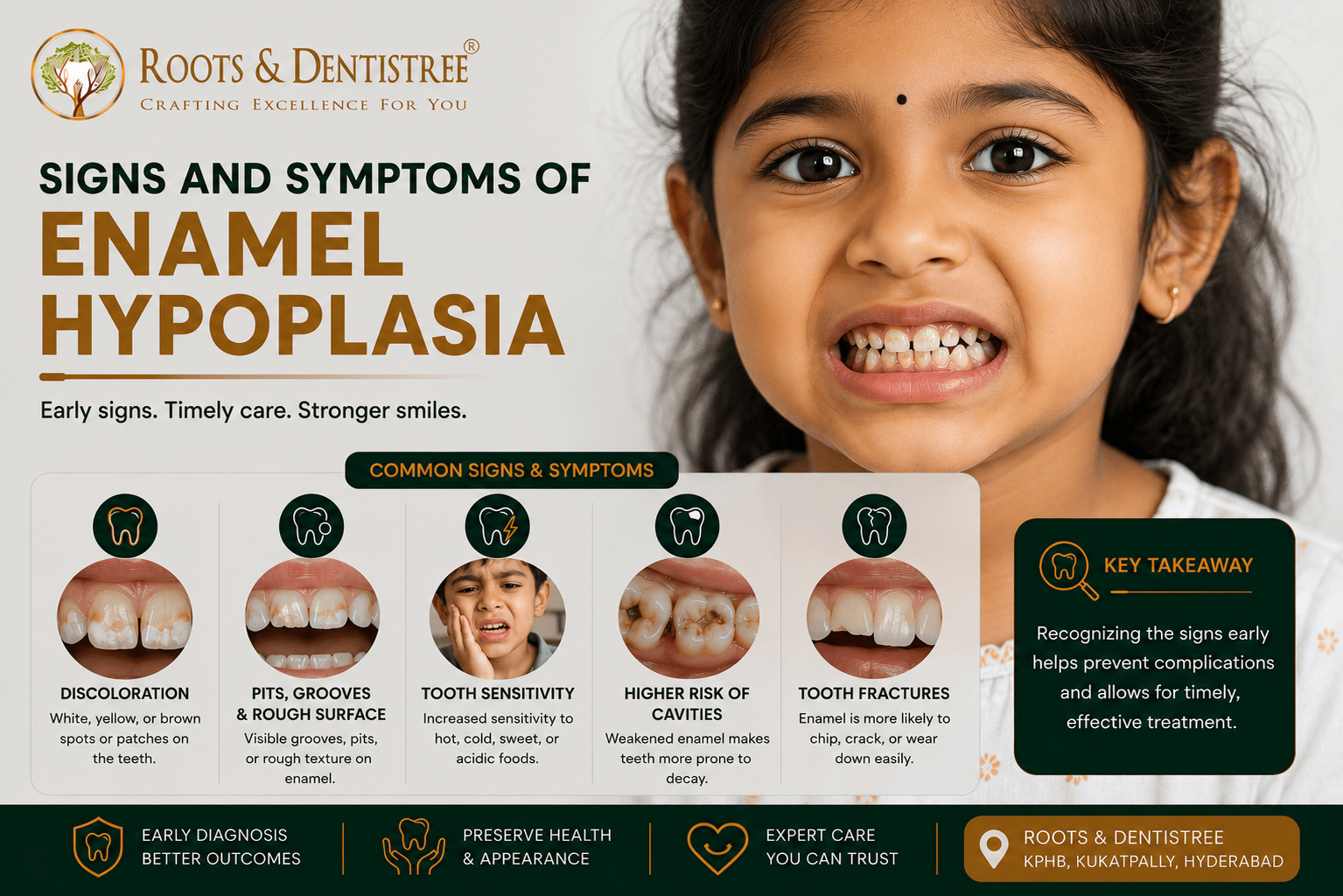
The appearance of enamel hypoplasia varies depending on its severity.
Some individuals develop small white, yellow, or brown patches on the teeth. Others may notice grooves, pits, rough surfaces, or unusually thin enamel.
Because enamel provides protection against external stimuli, affected teeth frequently become sensitive to hot, cold, sweet, or acidic foods.
Moreover, weakened enamel increases the likelihood of cavities and tooth fractures. Consequently, many patients require restorative treatment earlier than expected.
Which Teeth Are Commonly Affected?
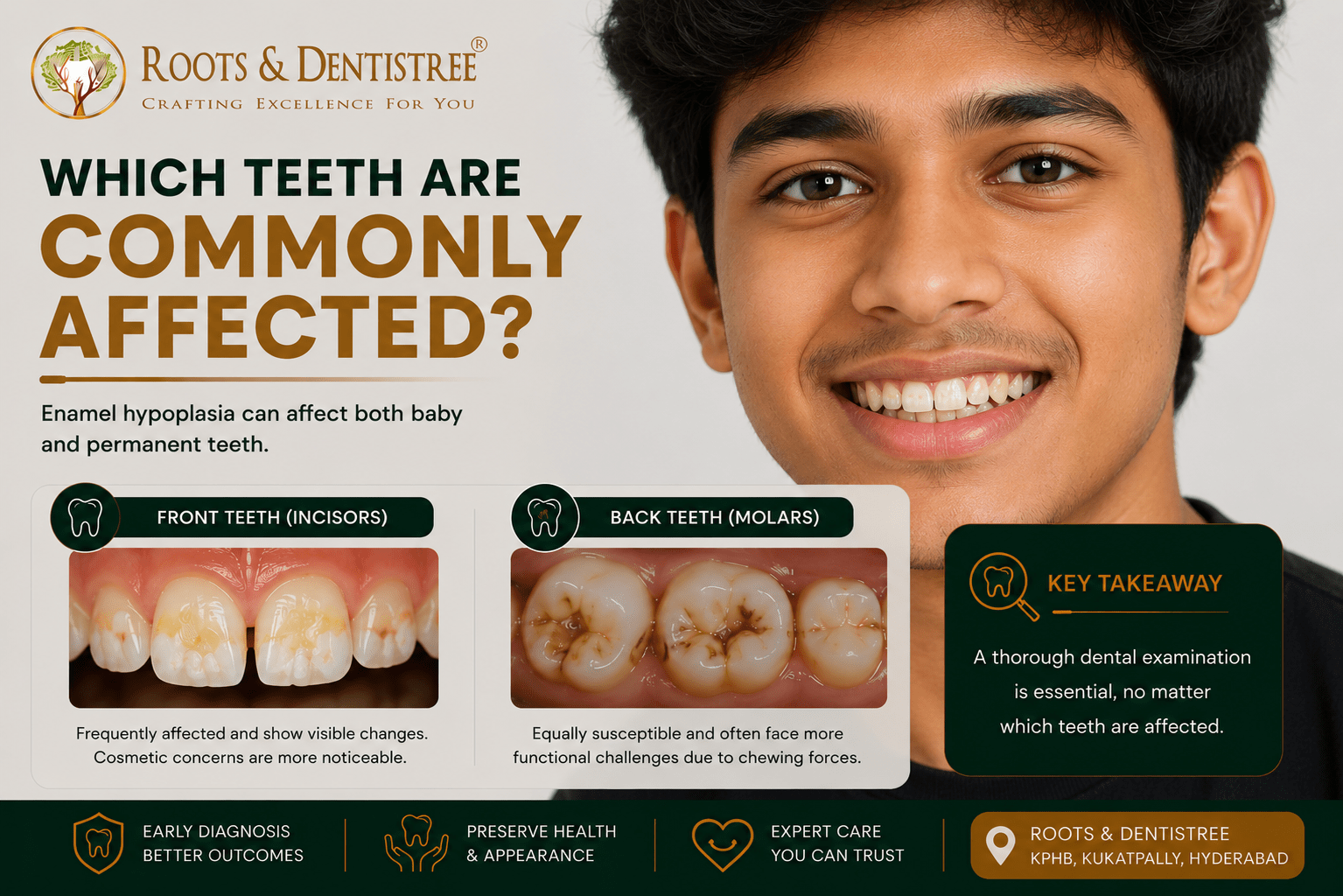
Enamel hypoplasia can involve both primary (baby) teeth and permanent teeth.
The front teeth are frequently affected because cosmetic changes become immediately noticeable. However, molars are equally susceptible and often experience greater functional problems due to chewing forces.
Therefore, a comprehensive dental examination remains important regardless of which teeth appear affected.
Is Enamel Hypoplasia the Same as Fluorosis?
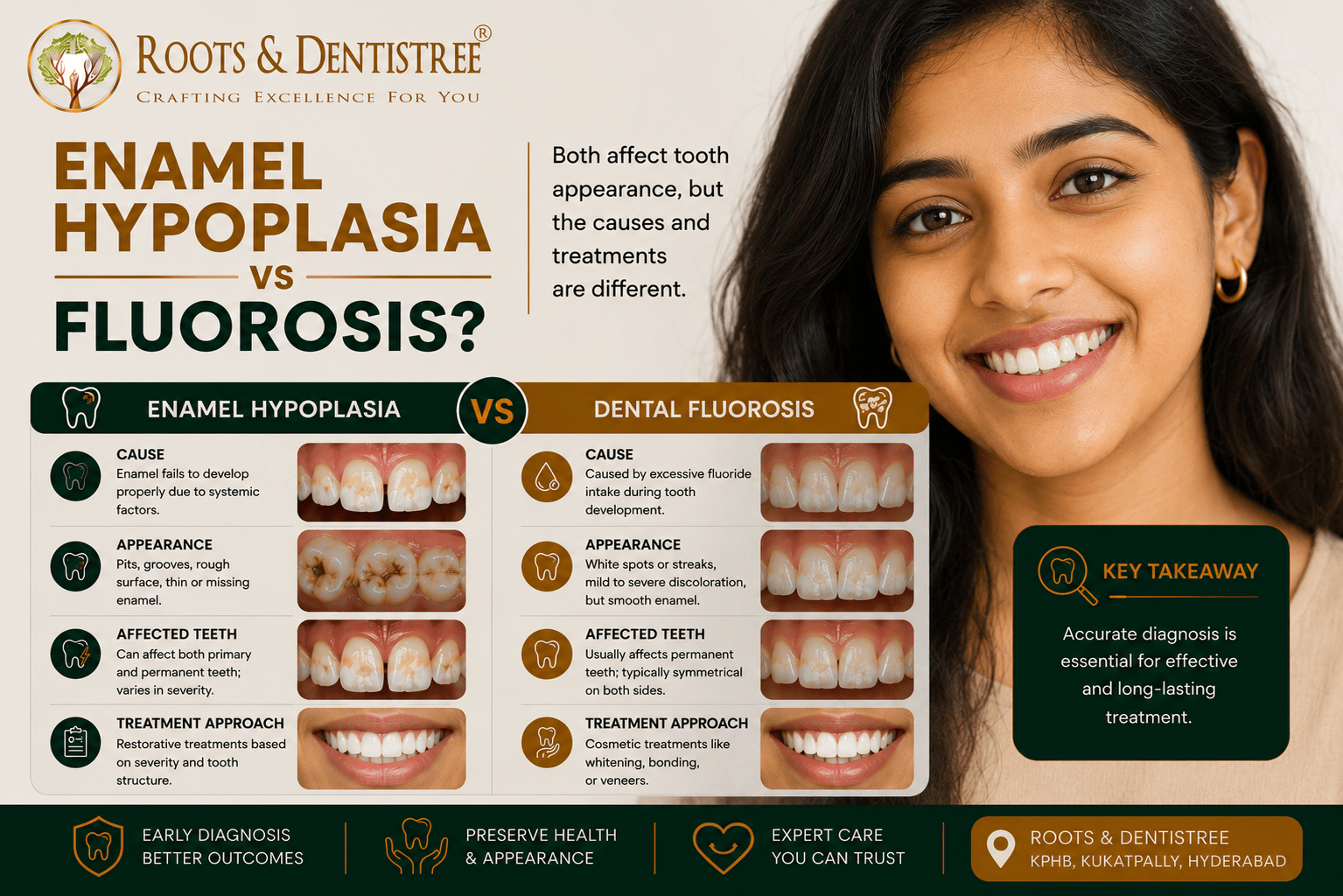
Although both conditions can alter the appearance of teeth, they are not identical.
Dental fluorosis results from excessive fluoride intake during tooth development. In contrast, enamel hypoplasia occurs because the enamel itself fails to develop properly.
Consequently, treatment recommendations differ depending on the underlying diagnosis.
Can Enamel Hypoplasia Cause Cavities?
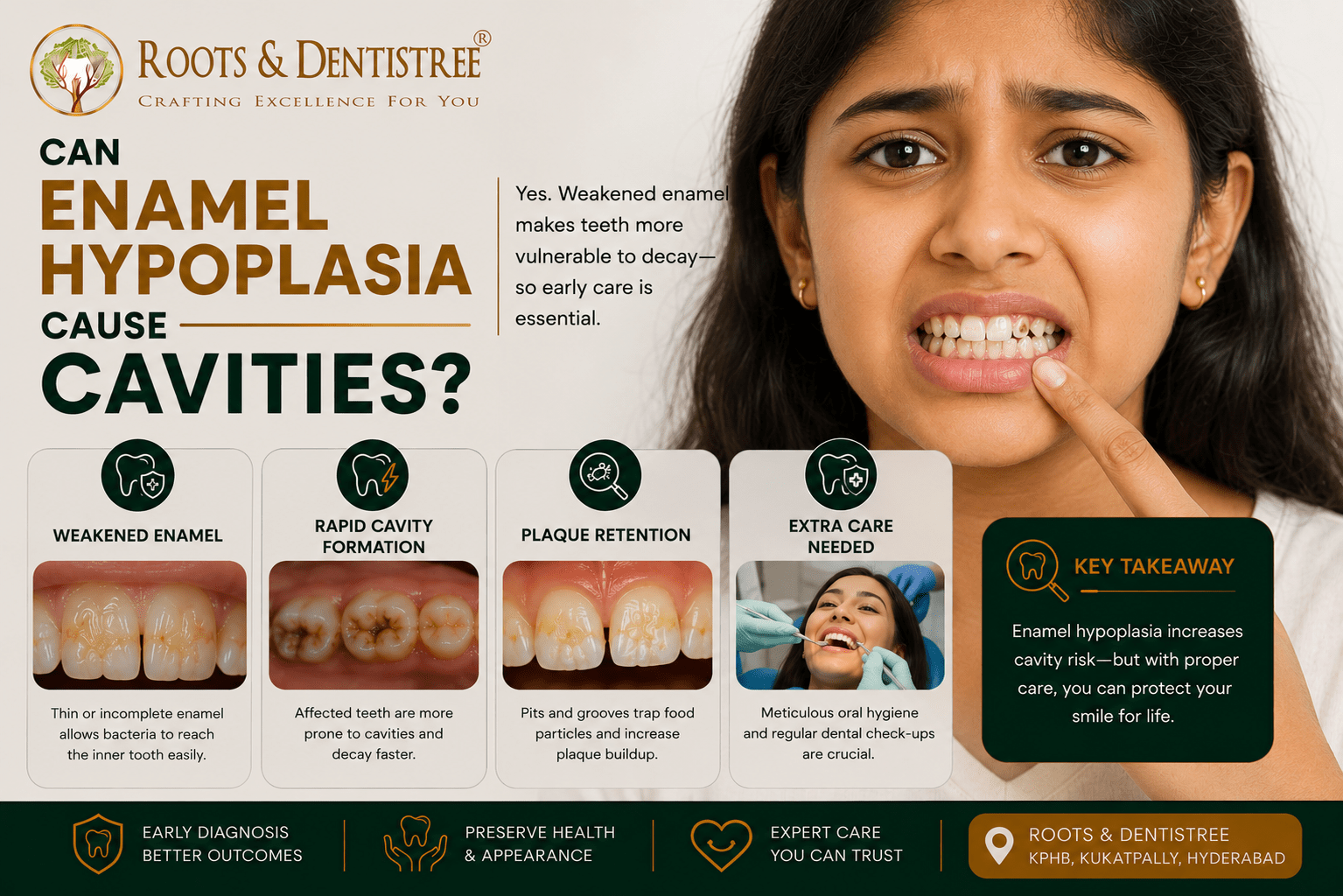
Yes. Since the protective enamel layer is thinner or incomplete, bacteria can reach the underlying tooth structure more easily.
As a result, affected teeth develop cavities more rapidly than healthy teeth.
Furthermore, food particles tend to accumulate within enamel pits and grooves, thereby increasing plaque retention.
Therefore, patients with enamel hypoplasia require meticulous oral hygiene and regular professional dental examinations.
How is Enamel Hypoplasia Diagnosed?
Diagnosis begins with a detailed clinical examination.
Your dentist carefully evaluates the color, texture, thickness, and structural integrity of the enamel. Subsequently, digital X-rays may be taken to assess the internal health of the affected teeth.
Medical history, childhood illnesses, nutritional status, and developmental history are also reviewed to identify possible contributing factors.
Consequently, a personalized treatment plan can be developed.
Treatment Options for Enamel Hypoplasia
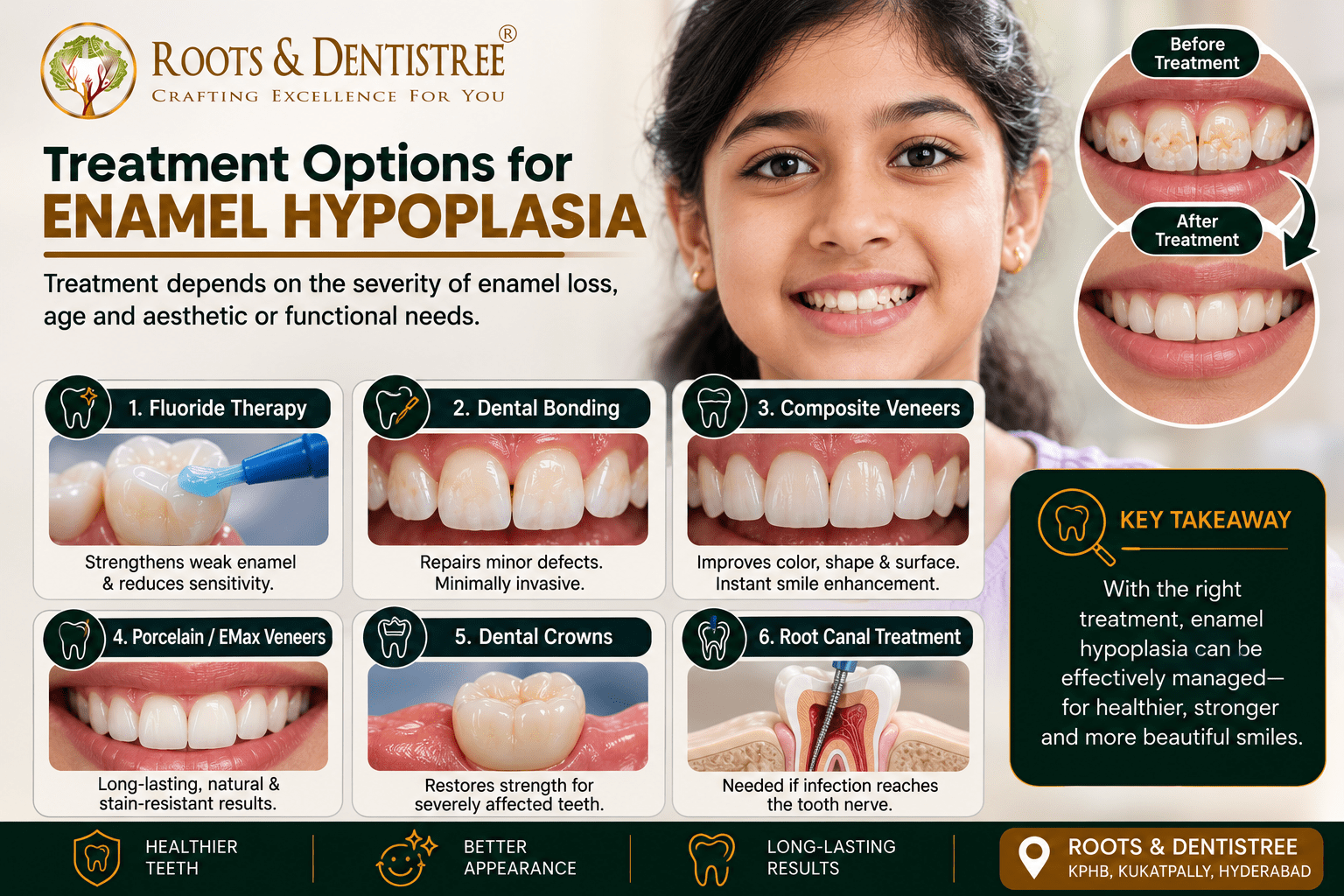
Treatment depends on the severity of enamel loss, the patient’s age, and the functional and cosmetic concerns involved.
Fluoride Therapy
In mild cases, professional fluoride applications help strengthen weakened enamel while reducing tooth sensitivity.
Although fluoride cannot regenerate missing enamel, it significantly improves resistance against future decay.
Dental Bonding
Tooth-colored composite resin can restore minor defects and improve aesthetics.
Because bonding requires minimal tooth preparation, it remains one of the most conservative treatment options.
Consequently, it is particularly suitable for children and young adults with localized defects.
Composite Veneers
When multiple front teeth are affected, composite veneers can improve color, shape, and surface texture.
Furthermore, they provide immediate cosmetic enhancement at a relatively economical cost.
Porcelain or EMax Veneers
For adults seeking long-lasting aesthetic improvement, porcelain or EMax veneers provide outstanding results.
These restorations completely mask enamel defects while restoring a natural appearance.
Moreover, premium ceramic materials offer exceptional stain resistance and durability.
Dental Crowns
When enamel hypoplasia has significantly weakened the tooth, a full-coverage crown may be the most appropriate solution.
Crowns protect the remaining tooth structure while restoring strength and chewing function.
Consequently, they are frequently recommended for severely affected molars and premolars.
Root Canal Treatment
Occasionally, enamel hypoplasia allows bacterial infection to progress into the dental pulp.
In such situations, root canal treatment becomes necessary before the tooth can be restored with a crown.
Fortunately, timely intervention often allows the natural tooth to be preserved.
Treatment Cost for Enamel Hypoplasia in Hyderabad
The cost of treatment varies considerably because every patient presents with different levels of enamel damage.
Approximate Treatment Costs in Hyderabad
Professional Fluoride Application:
₹1,000 – ₹3,000 per session
Composite Bonding:
₹3,000 – ₹8,000 per tooth
Composite Veneers:
₹5,000 – ₹10,000 per tooth
Porcelain Veneers:
₹12,000 – ₹25,000 per tooth
EMax Veneers:
₹20,000 – ₹40,000 per tooth
Zirconia Crowns:
₹12,000 – ₹22,000 per tooth
Premium Zirconia Crowns (Ivoclar Vivadent):
₹18,000 – ₹30,000 per tooth
Root Canal Treatment (If Required):
₹5,000 – ₹12,000 per tooth
These figures represent approximate treatment costs commonly observed across Hyderabad. However, the final investment depends on the severity of enamel loss, the number of affected teeth, and the chosen restorative materials.
Factors That Influence Treatment Cost
Several variables determine the overall treatment expense.
The severity of enamel damage remains the primary factor because extensive defects generally require more comprehensive restorations.
Additionally, the number of teeth involved directly affects the overall treatment cost.
Furthermore, premium materials such as EMax ceramics and high-quality zirconia restorations increase the investment while delivering superior aesthetics and longevity.
Advanced digital smile design, intraoral scanning, and specialist expertise also contribute to treatment fees.
Consequently, every patient receives an individualized treatment estimate following clinical evaluation.
Can Enamel Hypoplasia Be Prevented?
Genetic forms of enamel hypoplasia cannot always be prevented. Nevertheless, several preventive measures may reduce the risk associated with environmental causes.
Maintaining good maternal nutrition during pregnancy supports healthy tooth development.
Similarly, ensuring adequate calcium and vitamin D intake during childhood promotes stronger enamel formation.
Prompt treatment of childhood illnesses and routine dental examinations also contribute to early diagnosis and intervention.
Therefore, preventive dental care remains extremely valuable.
Why Choose ROOTS & DENTISTREE?
At ROOTS & DENTISTREE, we focus on preserving natural teeth while restoring both function and aesthetics.
Treatment is led by Dr. Abhishek Chakraborty, Conservative & Aesthetic Dentist and Endodontist, who develops customized treatment plans based on the severity of enamel defects and each patient’s long-term goals.
By combining advanced restorative materials with minimally invasive techniques, we help patients achieve healthy, durable, and naturally beautiful smiles.
The Final Verdict
Enamel hypoplasia is more than a cosmetic concern. If left untreated, it can lead to tooth sensitivity, accelerated decay, structural damage, and compromised oral health.
Fortunately, modern dentistry offers highly effective solutions that restore both function and appearance.
Therefore, early diagnosis and timely treatment remain the keys to preserving your natural teeth for the future.
Frequently Asked Questions
Yes. Missing enamel does not regenerate naturally. However, modern restorative dentistry can effectively protect and improve affected teeth.
Yes. Mild and moderate cases are often successfully managed with fluoride therapy, bonding, or veneers.
It may. Because the enamel layer is thinner, many patients experience tooth sensitivity, particularly when consuming hot, cold, or sweet foods.
Yes. Both baby teeth and permanent teeth can develop enamel hypoplasia.
For adults seeking premium cosmetic outcomes, EMax veneers and high-quality ceramic restorations generally offer the most natural appearance.
Enamel hypoplasia also known as Hypoplastic Teeth or Hypomineralized Teeth, is a condition of incomplete or defective tooth enamel development, impacts both primary and permanent teeth, leading to visible defects and dental vulnerabilities.
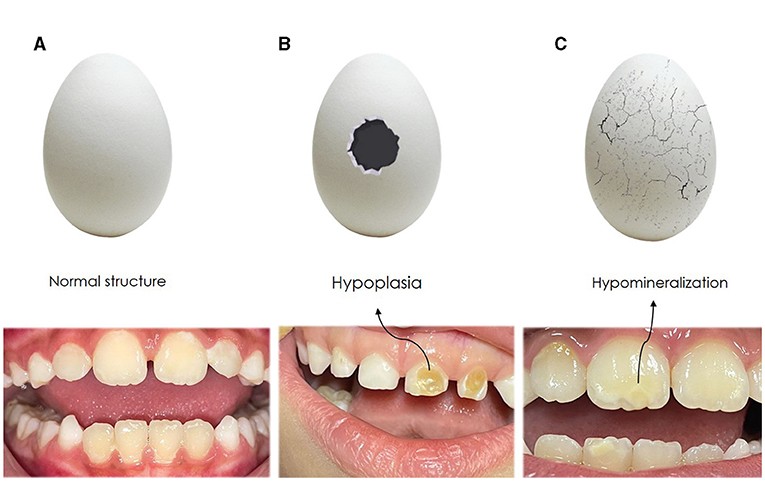
Understanding Enamel Hypoplasia
Enamel hypoplasia arises from disruptions during tooth enamel formation, weakening its protective layer against decay and damage. It can affect single or multiple teeth, presenting varied signs and increasing susceptibility to dental issues.
Causes
Symptoms
- Visible defects like pits or discolouration (white, yellow, or brown spots).
- Heightened sensitivity to temperature or acidity.
- An increased risk of cavities and erosion.
Diagnosis
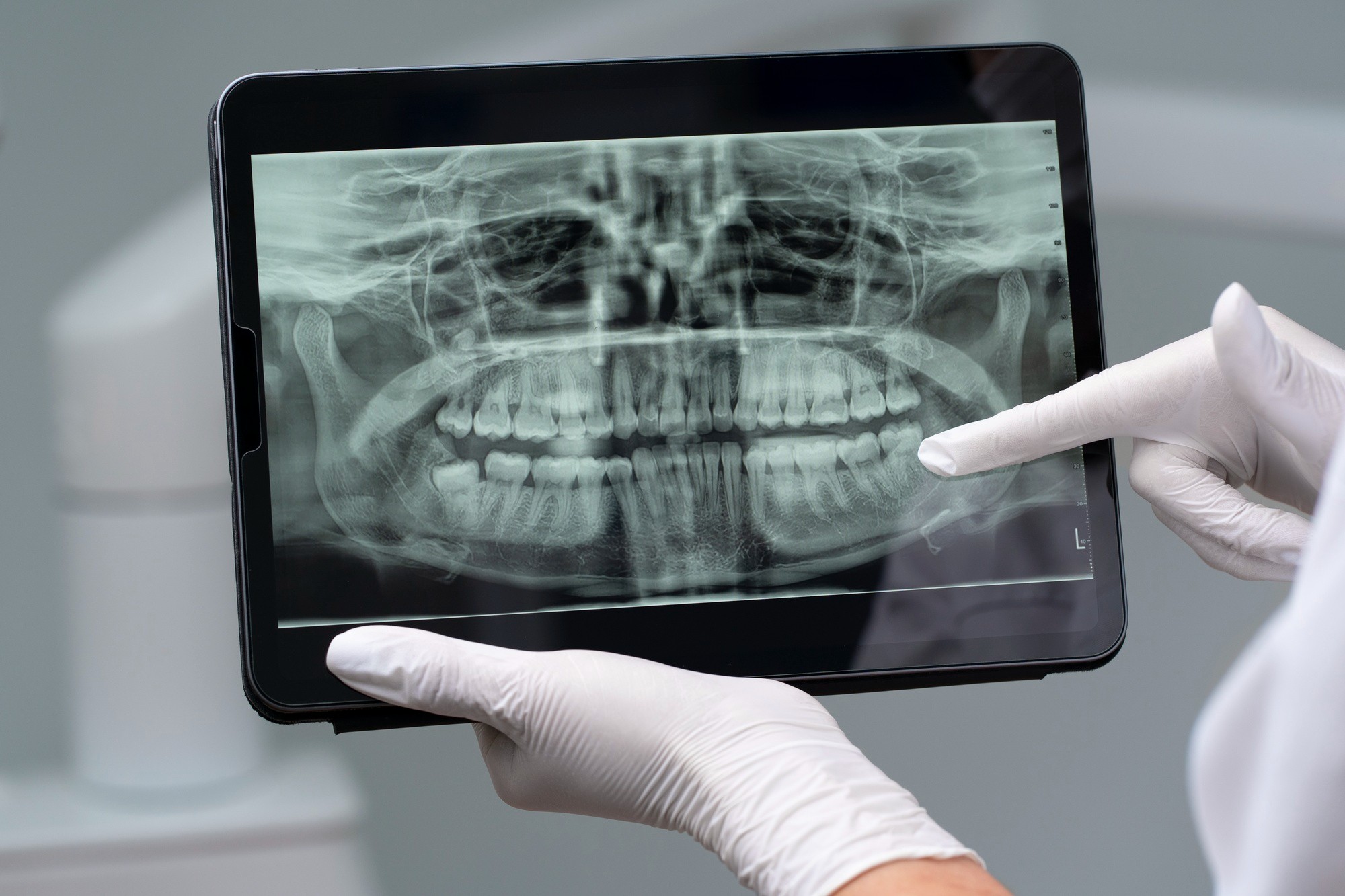
Diagnosis involves dental examinations and X-rays to assess enamel defects comprehensively, guiding appropriate treatment strategies.
Treatment Options
Management focuses on protecting teeth and enhancing their function and appearance:
Fluoride Treatment: Strengthens enamel and reduces sensitivity.
Dental Sealants: Prevents cavities by shielding teeth.
Composite Bonding: Improves aesthetics by filling enamel defects.
Crowns or Veneers: Restores severely affected teeth for improved strength and appearance.
Preventive Measures: While enamel hypoplasia isn’t entirely preventable, proactive steps such as ensuring optimal nutrition, early dental check-ups, and minimizing exposure to harmful substances during early development can mitigate risks.
Conclusion
Early detection and intervention are crucial in effectively managing enamel hypoplasia, preserving dental health, and minimizing complications. Partnering with dental professionals ensures tailored care to safeguard teeth and promote long-term oral well-being. If concerned about enamel hypoplasia symptoms, consult a dentist promptly for personalized evaluation and treatment recommendations.